



10 things to know about fuel theft
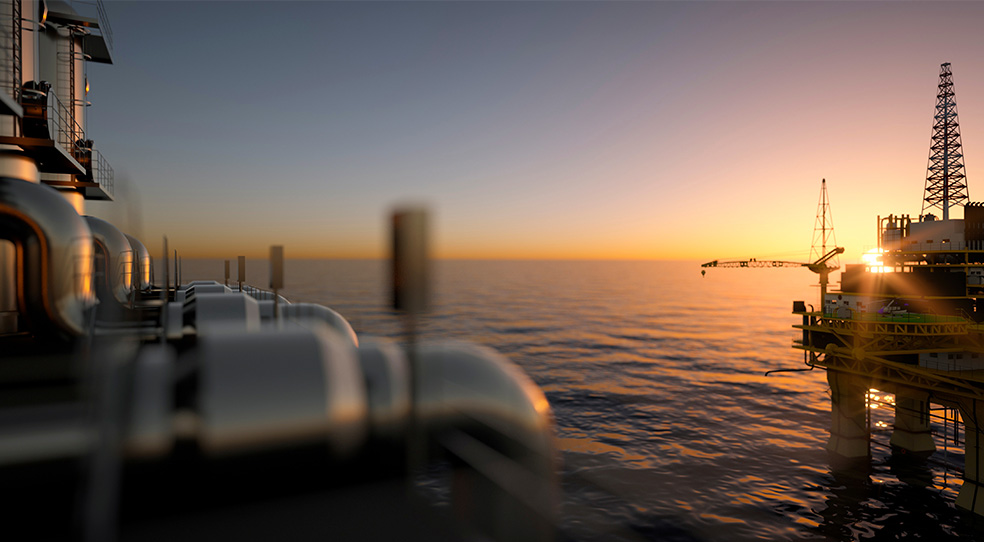
1. No region is spared by fuel theft, it’s a large-scale issue. Nevertheless, the impact is heavier on developing countries which rely heavily on tax revenues for economic growth and local development.
2. Taxes on petroleum products being a significant source of revenue, oil fraud deprives governments from important revenues. An estimated 133-billion-dollar worth of oil is stolen, adulterated or stolen from legitimate oil and gas enterprises every year. In Europe Bloomberg news reported that fuel fraud costs about $4 billion annually in tax revenue.
3. While fuel theft is multifaceted, adulteration is one of the most common forms of fraud. By mixing fuel with foreign low-cost substance (e.g., Kerosene in diesel), and selling it at full price, traffickers maximize their profits.
4. Illicit tapping of pipelines is prevalent in countries such as Nigeria or Mexico and often leads to environmental and security threats. For instance, oil spills in the Niger delta make it one of the most polluted regions of the world.
5. Price discrepancies from subsidies fuel can lead to smuggling low-cost fuels into nearby countries, diverting fuel supplies from their initial purpose and depriving neighboring countries from tax revenues.
6. Using substandard fuel (adulteration, dilution or illegal refining) not only generates early car obsolescence but also has harmful damages on the environment especially on the air quality. Low-quality fuel has higher emissions level of dangerous gas such as carbon monoxide or hydrocarbons.
7. New forms of fraud are emerging in recent years, thefts using cyber methods are growing globally targeting oil and gas system. Through ransomware operation, cybercriminal organizations digitally hijacked infrastructure to cause temporary shutdown.
8. The negative fallout of fuel fraud on consumers (air pollution and engine damages) takes a toll on public trust. Governments are often blamed for their inability to fight fraudulent behaviors.
9. Over the years, governments and oil companies have implemented several methods to put a stop to fraudulent behaviors. Today the most advanced approach currently used is fuel marking. It has proven to work efficiently to reduce fuel adulteration and increase tax revenues.
10. By marking the fuel supplies before they leave the depots, it limits their application, reduce significantly the risk of smuggling and adulteration in addition to ensuring that the fuel sold nationally comes from legal sources.
Our fuel integrity programmes provide an effective response to theft, smuggling or adulteration of petroleum products. Thanks to an advanced technology we help governments and oil companies protect their revenues, consumers and the environment.
For more insights about fuel marking check our infographic or contact us at governments@cotecna.com
About Cotecna
For over 50 years, we have been supporting agriculture, food and pharma, minerals and metals, and consumer products supply chains all over the world. We provide testing, inspection, and certification services to help our clients navigate evolving regulations, ensure product compliance, and support their sustainability journey.
Latest News
30.10.2026
Beyond Carbon Footprint: A Practical Guide to More Sustainable Businesses
Explore how GHG inventories, emissions verification, Life Cycle Assessment, energy management and ESG assurance support credible business sustainability.
30.10.2026
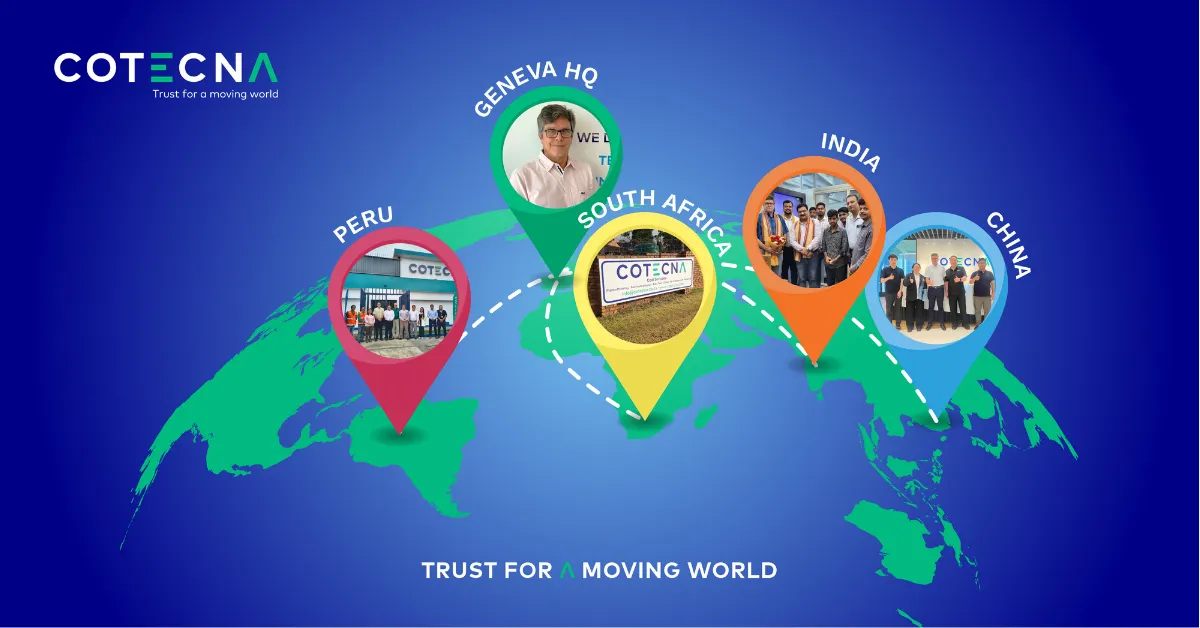
Strengthening Cotecna's Global Metals & Minerals Network Through Leadership Engagement
Mark Houchin's global visits highlight Cotecna's commitment to technical excellence and operational alignment, while focussing on strong customer partnerships worldwide.