



50 Years of Research Confirms Sustainability of Organic Farming
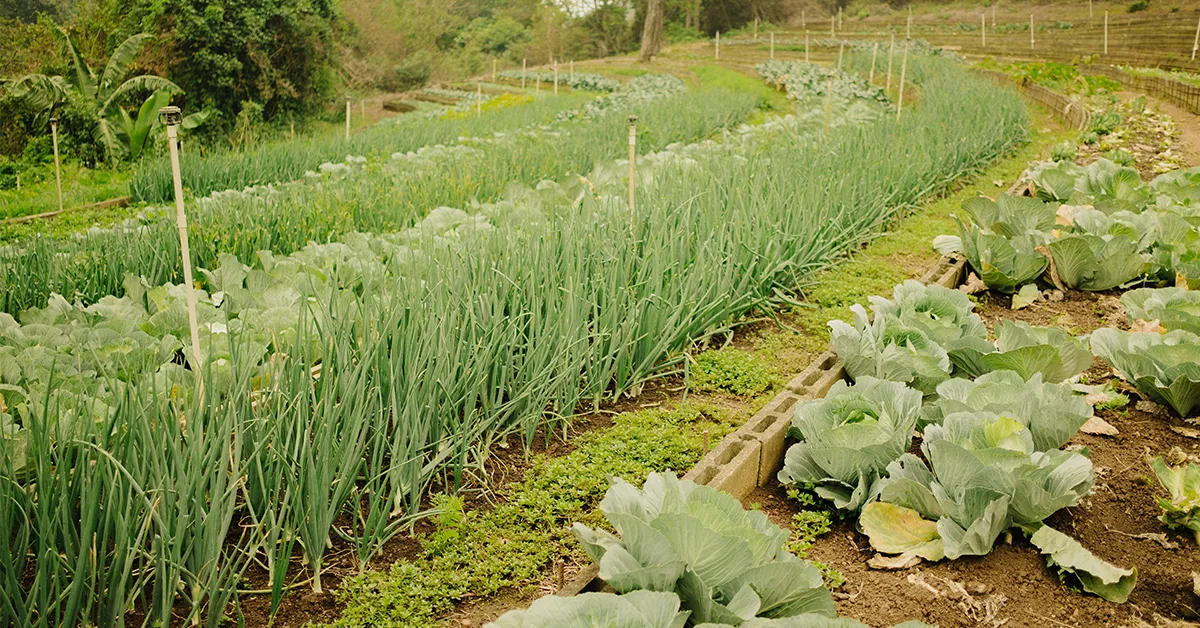
The study, conducted by FiBl and Agroscope, clearly demonstrates the sustainability and productivity of organic farming. The research is based on over 150 scientific publications that analyzed yield, soil fertility and climate impact.
With financial support from the Swiss Federal Office for Agriculture (UFAG), the FiBl research institute and Agroscope has been conducting the long-term DOK experiment since 1978, comparing organic, biodynamic and conventional farming on 96 homogeneous experimental plots, studying the consequences of different farming methods in terms of yield, soil quality and climate impact.
The experiment continues to provide answers, but also to raise new questions in the field of agricultural and environmental research, which have been the subject of almost 150 scientific publications and doctoral theses.
The two organic systems are compared with two conventional systems (the first with organic fertilization and the second with mineral fertilization); all follow the same seven-year rotation (six cycles have now been completed), which includes clover.
Biological systems showed lower use of plant protection products (-92%) and mineral nitrogen (-75%); nitrogen use efficiency, which also takes biological fixation into account, was over 85% for all systems.
In terms of yields, despite the drastic reduction in inputs, organic systems achieved 85% of the yields of conventional systems, demonstrating a lower impact on the climate and greater biodiversity in situ at field level, alongside fertile ground for the development of sustainable agricultural production in the future.
An article was recently published in the scientific journal Scientific Reports in which researchers from Agroscope, FiBL and ETH Zurich focus on nutrients and crop selection.
In organically farmed plots, humus levels were found to be 16% higher and soil organism activity up to 83% higher, with a positive effect on the structure that helps store water and reduce erosion losses.
In all systems, manure proved to be essential for good soil fertility; when applied in sufficient quantities, preferably in the form of compost, the humus content remains stable or increases. Conversely, when fertilizer consists exclusively of synthetic mineral fertilizers, the humus content decreases.
On the other hand, phosphorus levels decrease more significantly in organic soils than in conventional soils due to reduced fertilization. To avoid long-term deficiencies, it is necessary to supplement phosphorus, particularly for crops such as cereals and potatoes.
According to Jochen Mayer, head of the study, the recycling of food waste or wastewater should be considered to recover essential elements such as phosphorus and nitrogen.
The researchers believe that the future of organic farming depends largely on closing nutrient cycles between farms and advances in plant breeding.
The study recommends adopting crop diversification strategies, such as mixed, intercropping or strip cropping, preferably with perennial species.
About Cotecna
For over 50 years, we have been supporting agriculture, food and pharma, minerals and metals, and consumer products supply chains all over the world. We provide testing, inspection, and certification services to help our clients navigate evolving regulations, ensure product compliance, and support their sustainability journey.
About Suolo e Salute
Established in Italy, Suolo e Salute is a leading laboratory dedicated to soil and environmental testing. With a strong focus on accuracy, sustainability, and scientific excellence, it supports agricultural, environmental, and regulatory clients with tailored analytical solutions. Committed to innovation and environmental stewardship, Suolo e Salute delivers trustworthy insights that drive responsible land management. Suolo e Salute brings global expertise and local impact together.
Latest News

30.10.2026
Beyond Carbon Footprint: A Practical Guide to More Sustainable Businesses
Explore how GHG inventories, emissions verification, Life Cycle Assessment, energy management and ESG assurance support credible business sustainability.
30.10.2026
Strengthening Cotecna's Global Metals & Minerals Network Through Leadership Engagement
Mark Houchin's global visits highlight Cotecna's commitment to technical excellence and operational alignment, while focussing on strong customer partnerships worldwide.