



Assay and Testing: Analytical Methods for Ores and Minerals
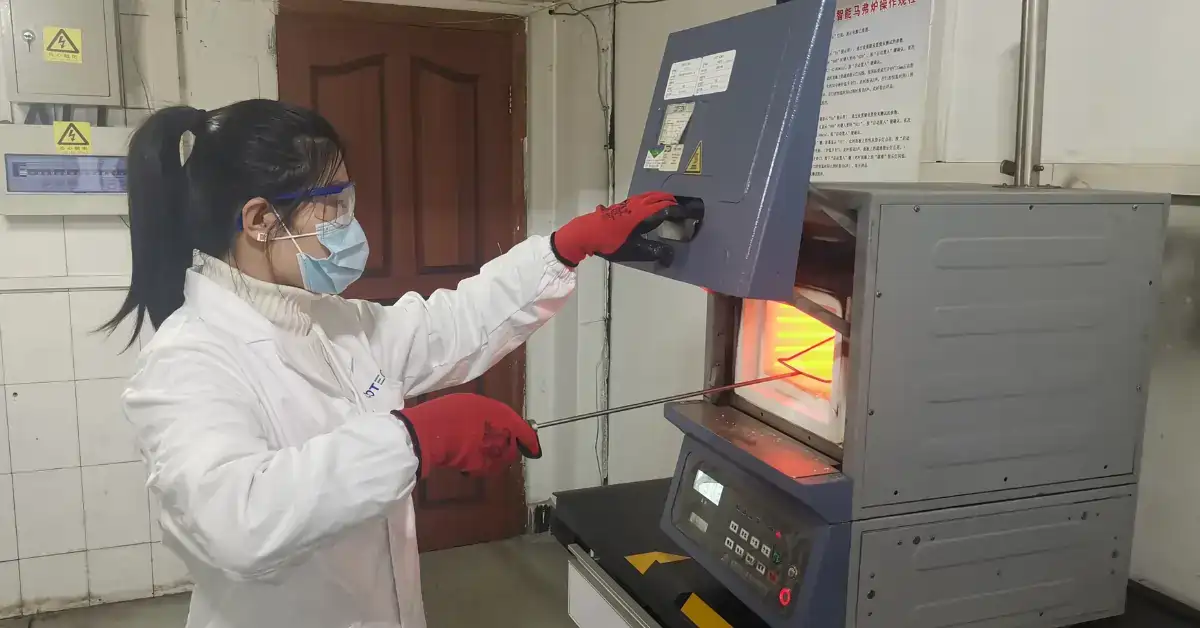
The analysis of ores and minerals is critical in the field of geology, mining, and material sciences. At Cotecna we offer various analytical services for various metals and minerals. Specifically, we use assays and other analytical methods to help our clients determine the true value and quality of their metals and minerals including gold, silver and platinum.
Cotecna services cover the entire metals and minerals supply chain. We provide inspection, sampling and analysis services onsite at mines, at major ports for loading and discharge, smelters and warehouses. Our inspectors utilize various techniques including visual inspections, non-destructive testing (NDT) and surface analysis. In addition, our team of experts can support our clients with sample collection to ensure the accuracy and quality of samples, to enhance the chain of custody and ensure reliable test results.
Accurate and reliable analysis helps determine the composition, quality, and potential value of the materials. Various analytical methods, both traditional wet chemistry and modern instrumental techniques, are employed for this purpose.
Wet Chemistry Analytical Techniques
Wet chemistry techniques involve the use of chemical reactions and processes to analyze ores and minerals. These methods are often considered classical and are still widely used due to their accuracy and reliability. Types of wet chemistry analytical techniques include:
- Gravimetric Analysis: This method involves the precipitation of the target analyte from a solution, followed by filtration, drying, and weighing. It is highly accurate and is commonly used for determining the concentration of major components in ores.
- Titrimetric Analysis: Titration involves the gradual addition of a reagent to a solution of the analyte until a reaction endpoint is reached. This method is used to determine the concentration of various ions and compounds in minerals.
- Colorimetric Analysis: This technique is based on the measurement of the intensity of color produced by a chemical reaction. It is useful for detecting and quantifying trace elements in ores.
Instrumental Techniques
Instrumental techniques offer high sensitivity, precision, and the ability to analyze multiple elements simultaneously. These methods have revolutionized the analysis of ores and minerals.
- X-Ray Fluorescence (XRF): XRF is a non-destructive technique that measures the characteristic X-rays emitted by a sample when it is irradiated with high-energy X-rays or gamma rays. It is widely used for the elemental analysis of a wide range of materials, including ores and minerals. XRF can detect elements from sodium (Na) to uranium (U) and provides rapid, on-site analysis.
- Inductively Coupled Plasma Optical Emission Spectroscopy (ICP-OES): ICP-OES involves the excitation of atoms and ions in a sample using an inductively coupled plasma. The excited atoms emit light at characteristic wavelengths, which is measured to determine the elemental composition. ICP-OES is highly sensitive and can analyze multiple elements simultaneously, making it ideal for trace element analysis in ores and minerals.
- Inductively Coupled Plasma Mass Spectrometry (ICP-MS): ICP-MS combines the capabilities of ICP with mass spectrometry to provide highly sensitive and precise elemental analysis. It can detect trace elements at parts-per-billion (ppb) levels and is particularly useful for analyzing rare earth elements and other trace metals in minerals.
- Atomic Absorption Spectroscopy (AAS): AAS measures the absorption of light by atoms in the sample. The sample is typically atomized using a flame or graphite furnace, and the absorption of light at specific wavelengths is measured. AAS is widely used for the determination of metal concentrations in ores, with high sensitivity for specific elements like lead (Pb), cadmium (Cd), and zinc (Zn).
The choice of analytical method depends on various factors, including the type of ore or mineral, the elements of interest, and the required sensitivity and precision. Wet chemistry techniques provide reliable and accurate results for major components, while modern instrumental techniques like XRF, ICP-OES, ICP-MS, and AAS offer high sensitivity and the ability to analyze multiple elements simultaneously. By leveraging these analytical methods, scientists and industry professionals can gain valuable insights into the composition and quality of ores and minerals, supporting efficient and effective resource management.
Assay Analytical Method
Assays are one of the oldest and most traditional methods of determining the quality of precious metals like gold and silver. Cotecna uses fire assays to accurately analysis various metals. Fire assay involves melting metal into a porous flat dish called a cupel and then measuring with the resulting residue to determine the purity of the metal being tested.
To ensure accuracy, Cotecna uses proper testing techniques, equipment and procedures. At Cotecna, we maintain a chain of custody for samples.
Case Study: Using Fire Assay to achieve accuracy in gold analysis
Shiva Analyticals, part of the Cotecna Group, has a large sample preparation facility with a 50-pot capacity LPG fire assay and cupellation furnaces, processing about 2000 assays per day including 15% of QA/QC samples. Based in India, Shiva uses fire assay to extract pure gold from samples. For gold assay, the homogenised reduced sample of ~1000g is pulverised to <75 microns by using LM2 Pulverisers. The repeatability is verified by running 10% of replicate samples. The screen fire assay and cyanide leach methodologies are used for gold extraction by using about 2kg of sample wherever the nugget effect is suspected.
Shiva utilizes equipment like ESSA 2000 Jaw Crushers, Boyd Crushers, Rotary Sample Dividers and LM2 Pulverisers. The assay process includes sample drying, crushing, division and pulverization to achieve accurate results.
For more information, read the full case study: Analysis of Gold and Platinum Group Elements by Fire Assay
To facilitate high quality testing and analysis in real time, Cotecna designs, installs and manages state-of-the-art mine site laboratories. We utilize client specifications to create customized solutions to ensure timely, continuous and high-quality support, even in remote locations.
For more information on Metals and Minerals Assay and Testing, please visit our dedicated web page or for a free consultation or quote, please contact us.
About Cotecna
For over 50 years, we have been supporting agriculture, food and pharma, minerals and metals, and consumer products supply chains all over the world. We provide testing, inspection, and certification services to help our clients navigate evolving regulations, ensure product compliance, and support their sustainability journey.
Latest News

30.10.2026
Beyond Carbon Footprint: A Practical Guide to More Sustainable Businesses
Explore how GHG inventories, emissions verification, Life Cycle Assessment, energy management and ESG assurance support credible business sustainability.
30.10.2026
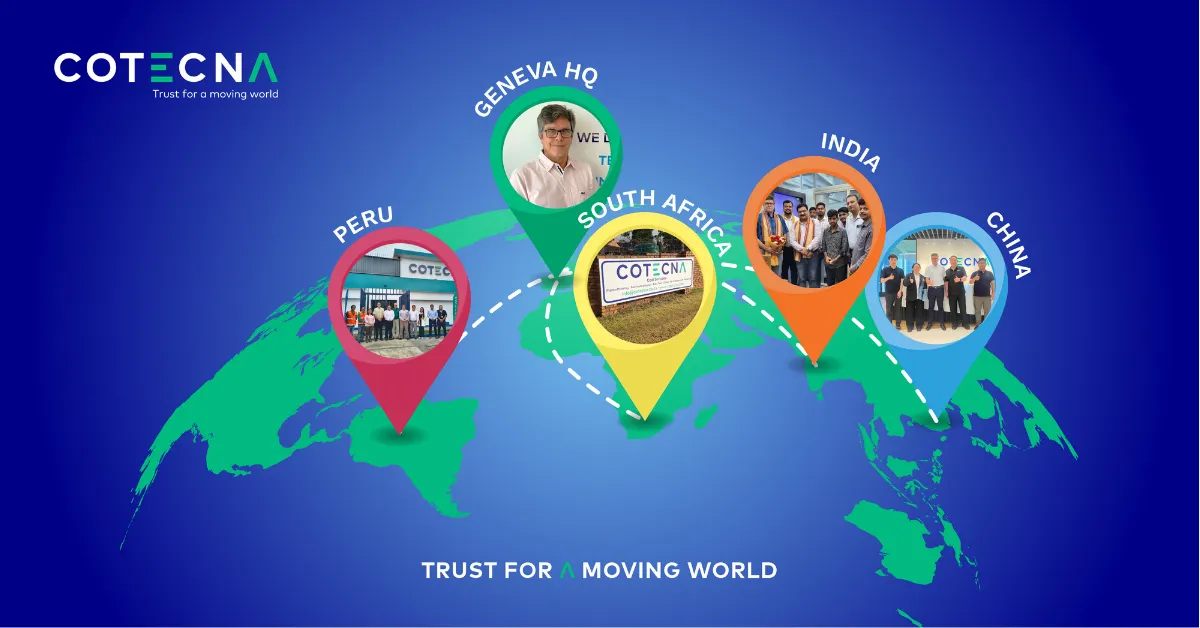
Strengthening Cotecna's Global Metals & Minerals Network Through Leadership Engagement
Mark Houchin's global visits highlight Cotecna's commitment to technical excellence and operational alignment, while focussing on strong customer partnerships worldwide.