



Essential Safety Checks in Early Food Production: Pesticides, GMOs, and Contaminants
Introduction
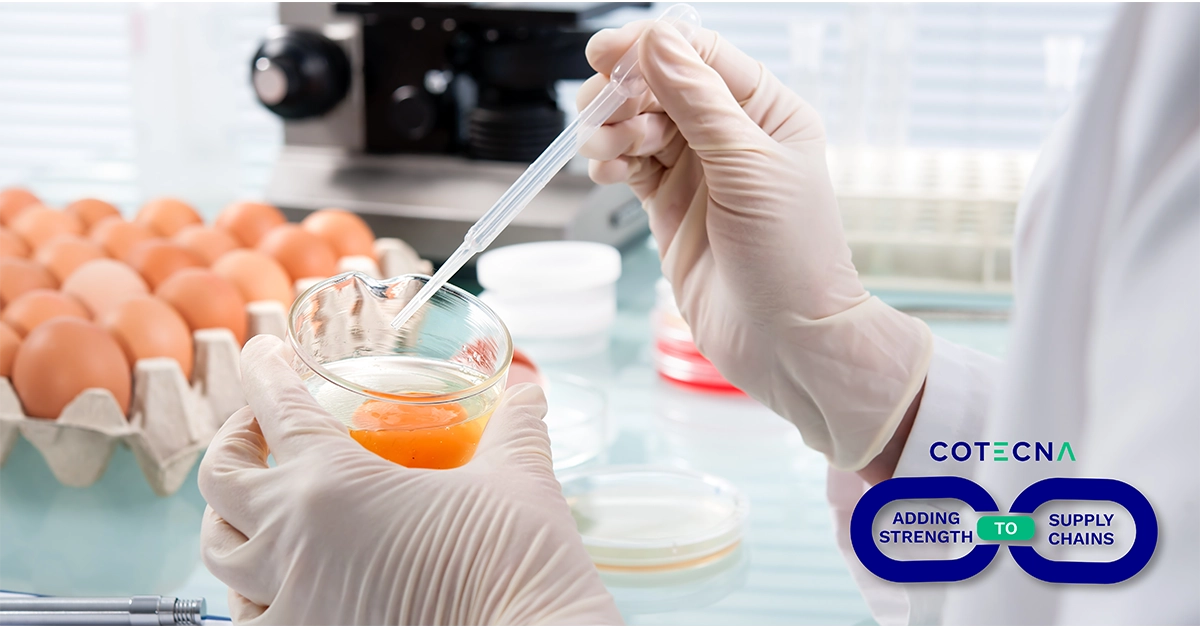
Food safety begins at the earliest stages of production. Cultivation, harvesting, and initial processing can expose food to risks. Potential hazards include pesticide residues, GMOs, and environmental contaminants. These risks can compromise regulatory compliance, consumer health, and international trade. We at Cotecna run strict safety checks to ensure quality and compliance. This ensures food products meet international standards and strong supply chain for global market access.
Pesticide Residue Monitoring
By systematically testing products for pesticide residues against established maximum residue limits (MRLs), monitoring programs help protect consumer health, support market access, and demonstrate due diligence to regulators and trading partners.
Regulatory Context
- International standards like Codex Alimentarius and EU Maximum Residue Limits (MRLs) set safe pesticide levels.
- Exporters must follow destination market regulations, which often vary across regions.
Our Role
- Sampling protocols: We collect representative samples from crops and raw materials.
- Laboratory analysis: Our accredited labs use advanced tools, such as gas chromatography and mass spectrometry, to find trace residues.
- Certification: We issue independent verification reports confirming compliance with MRLs before shipment.
Supply Chain Implications
Not following pesticide residue rules can cause shipment rejections. This may lead to financial losses and hurt your reputation. We help mitigate these risks by ensuring compliance at source.
GMO Compliance Verification
GMO Compliance Verification ensures that food and agricultural products meet applicable regulatory and market requirements related to genetically modified organisms. Through targeted testing, documentation checks, and supply chain verification, GMO compliance programs help producers and exporters demonstrate transparency, support labelling claims, and maintain access to markets with strict GMO regulations.
Regulatory Framework
- Many jurisdictions require labeling or restrictions on GMO content.
- Importing countries often demand certification proving non-GMO status.
Our Expertise
- DNA-based testing: We use Polymerase Chain Reaction (PCR) methods to identify GMO traits at the genetic level.
- Traceability systems: We help document and verify non-GMO claims in the supply chain.
- Certification services: We provide recognized certificates that assure regulators and buyers of compliance.
Industry Relevance
Our independent services increase buyer trust and reduce trade disputes for exporters in markets with strict GMO rules.
Contaminant Detection
Contaminant detection focuses on identifying and quantifying harmful substances that may compromise product safety, quality, or compliance. Through targeted testing for chemical, biological, and physical contaminants, detection programs help mitigate risk, support regulatory conformity, and protect both consumers and brand integrity across the supply chain.
Types of Contaminants
- Heavy metals: Lead, cadmium, and mercury from soil and water.
- Mycotoxins: Fungal toxins posing serious health risks.
- Microbiological hazards: Pathogens such as Salmonella and E. coli.
Our Inspection Protocols
- Risk-based sampling: We focus on high-risk commodities and regions.
- Laboratory testing: Our accredited labs use methods that international authorities recognize for detecting contaminants.
- Preventive audits: We test agricultural practices to reduce contamination risks at source.
Compliance Impact
Contaminant detection is a prerequisite for export certification. Our services ensure compliance, preventing trade bans and reputational harm.
Integrated Safety Management
Integrated safety management brings together testing, inspection, certification, and risk assessment into a coordinated approach to managing safety across the value chain. By aligning processes, controls, and compliance activities, integrated programs help organizations proactively identify risks, ensure regulatory conformity, and maintain consistent safety performance from source to market.
Our Contribution to Global Supply Chains
- We provide independent verification of compliance with international standards.
- We support producers in implementing preventive controls.
- We help smooth cross-border trade by ensuring documentation and certification are globally recognized.
Benefits for Stakeholders
- Risk reduction: Our early detection prevents downstream issues.
- Market access: Compliance ensures acceptance in regulated markets.
- Operational efficiency: Our standardized inspection processes streamline supply chain management.
Conclusion
Food safety checks at the start of production are key, they focus on pesticide residues, GMO compliance, and contaminant detection. These measures protect consumers and support global trade. At Cotecna, we offer inspection, testing, and certification services that add strength to your supply chains. These ensure that regulators and buyers have the assurance they need. Partnering with us early in production helps set strong compliance measures for global supply chains.
Discover Cotecna Group Food Laboratories
To learn more about Cotecna Food Services or to get a free quote, please contact us.
Follow us on Social Media to keep up with our Adding Strength to Supply Chains series.
About Cotecna
For over 50 years, we have been supporting agriculture, food and pharma, minerals and metals, and consumer products supply chains all over the world. We provide testing, inspection, and certification services to help our clients navigate evolving regulations, ensure product compliance, and support their sustainability journey.
Latest News

30.10.2026
Beyond Carbon Footprint: A Practical Guide to More Sustainable Businesses
Explore how GHG inventories, emissions verification, Life Cycle Assessment, energy management and ESG assurance support credible business sustainability.
30.10.2026
Strengthening Cotecna's Global Metals & Minerals Network Through Leadership Engagement
Mark Houchin's global visits highlight Cotecna's commitment to technical excellence and operational alignment, while focussing on strong customer partnerships worldwide.