



Exporting Tires to Africa: Standards You Need to Meet
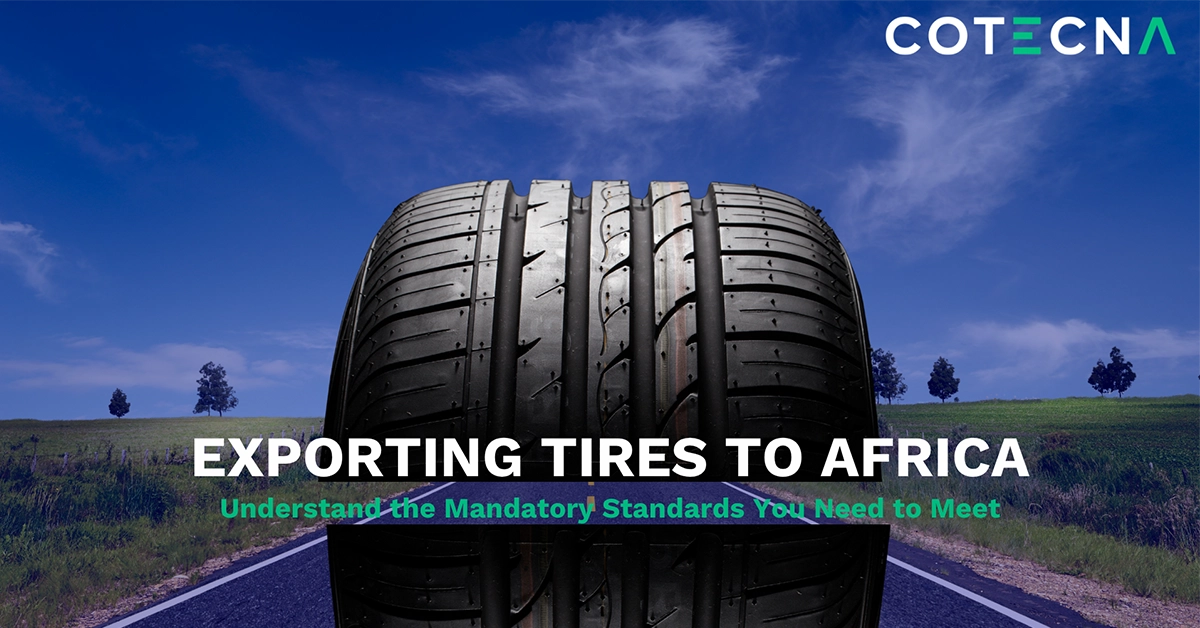
As Africa's automotive, logistics, mining, and agricultural sectors continue to expand, demand for quality tires is growing across the continent. However, exporting tires to Africa involves more than manufacturing and logistics. Many countries require imported tires to comply with national standards and undergo a Verification of Conformity (VOC) process before customs clearance.
For tire manufacturers, distributors, and exporters, understanding these requirements before shipment can help prevent delays, penalties, and rejected consignments.
Why Are Tires Regulated?
Tires are critical safety products. Poor-quality or non-compliant tires can affect vehicle handling, braking performance, fuel efficiency, and road safety.
To protect consumers and support fair trade, many African countries require conformity assessment of imported tires before they are shipped. Through VOC programmes, authorities can verify that products meet applicable quality and safety standards.
Key Tire Requirements Exporters Should Know
When assessing compliance, authorities may review:
Speed Rating
The maximum speed at which a tire can safely operate under specified conditions.
Load Index
The maximum weight a tire can safely carry.
Tire Markings
Required markings may include:
Manufacturer name
Tire size
Speed rating
Load index
Country of origin
Manufacturing information
Certification marks where applicable
Product Testing and Compliance Documentation
Authorities may require evidence that tires comply with applicable national or international standards through testing reports and technical documentation.
In Which African Countries Might Tires Require a VOC Certificate?
Depending on the destination market and applicable regulations, tire exports may require a Certificate of Conformity under Cotecna-operated conformity assessment programmes in countries including:
Requirements vary by country and product category, so exporters should always verify the latest import requirements before shipment.
What Is Verification of Conformity (VOC)?
VOC programmes help ensure imported products comply with destination-country requirements before export.
The process may include:
Documentation review
Product inspection
Testing verification
Compliance assessment
Issuance of a Certificate of Conformity (CoC)
The CoC is often required for customs clearance and can help avoid costly border delays.
How Cotecna Can Help
Cotecna operates Verification of Conformity programmes across numerous African markets, helping exporters demonstrate compliance before shipment. Our experts support businesses through:
Product compliance reviews
Documentation verification
Inspection coordination
Testing verification
Certificate of Conformity issuance
Country-specific regulatory guidance
Whether you export passenger car tires, truck tires, agricultural tires, or industrial tires, Cotecna can help you navigate compliance requirements and ensure smoother market access.
Exporting Tires to Africa?
Before your next shipment, make sure your products meet the applicable standards and certification requirements.
Contact Cotecna today to learn how our Verification of Conformity programmes can help keep your tire exports moving.
About Cotecna
For over 50 years, we have been supporting agriculture, food and pharma, minerals and metals, and consumer products supply chains all over the world. We provide testing, inspection, and certification services to help our clients navigate evolving regulations, ensure product compliance, and support their sustainability journey.
Latest News

30.10.2026
Beyond Carbon Footprint: A Practical Guide to More Sustainable Businesses
Explore how GHG inventories, emissions verification, Life Cycle Assessment, energy management and ESG assurance support credible business sustainability.
30.10.2026
Strengthening Cotecna's Global Metals & Minerals Network Through Leadership Engagement
Mark Houchin's global visits highlight Cotecna's commitment to technical excellence and operational alignment, while focussing on strong customer partnerships worldwide.