



Fruit and Vegetable Consumption: What Do Consumers Really Think? The Results of the New CSO Italy Research
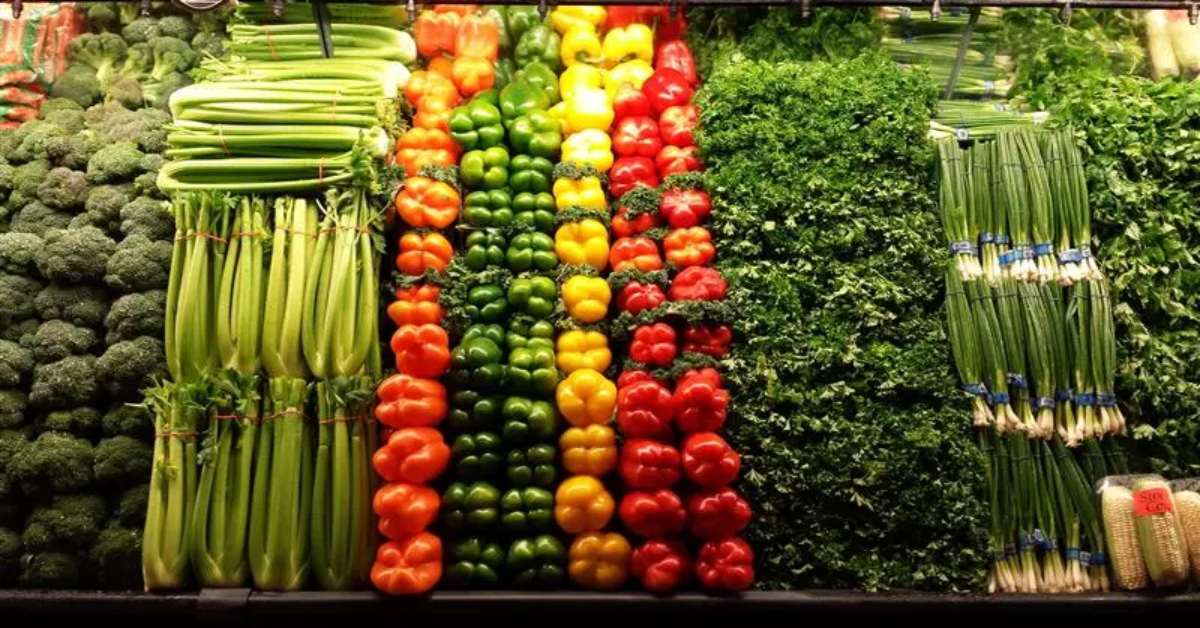
During the CSO Italy members' meeting, the research “Fruit and Vegetables between perception and reality” was presented, with the aim of analysing the relationship between Italian consumers and the consumption of fruit and vegetables. The study, illustrated by Director Elisa Macchi, starts from a worrying fact: between 2021 and 2023 the sector recorded a drop in consumption of 14%, equal to over 800,000 tonnes. Although 2024 shows a slight slowdown in the negative trend, it shows no concrete signs of recovery.
According to President Paolo Bruni, a better understanding of consumer perceptions and motivations is essential to reverse this trend. The research shows that fruit and vegetables are consumed mainly for health and taste reasons, but also for family habits, a sign of the importance of food education.
Price remains a crucial factor: 60% of respondents choose outlets on the basis of value for money, while more than 50% consider fruit and vegetables to be expensive. However, the perception of grocery shopping is distorted: although many consider it expensive, it actually represents only 4% of household expenditure.
The research also points to under-consumption among younger people, who make up a large part of the 20% of the population who consume fruit and vegetables occasionally or not at all. 19% eat less than one fruit per day and 17% less than one vegetable, while the adoption of high-protein diets increases.
However, there is no lack of positive signs: consumers recognise values such as taste, quality and wholesomeness in Italian fruit and vegetables and pay attention to seasonality. When quality is perceived as high, price loses its centrality. Women are the biggest consumers, with 23% consuming fruit more than three times a day, and they are also the most inclined to vegetarian or vegan diets.
Another relevant finding concerns communication: only 20% of the respondents are satisfied with the information available at the point of sale. There is a strong demand for clearer information on ripeness, organoleptic characteristics, nutritional benefits and how to use them. Moreover, 70% do not know the meaning of “organic” and 60% are unaware of the variety of Italian PDO and PGI products.
In short, the research provides concrete ideas for relaunching fruit and vegetable consumption, focusing on more effective communication, educational actions, and the promotion of Italian production excellence.
For further information, CLICK HERE
About Cotecna
For over 50 years, we have been supporting agriculture, food and pharma, minerals and metals, and consumer products supply chains all over the world. We provide testing, inspection, and certification services to help our clients navigate evolving regulations, ensure product compliance, and support their sustainability journey.
Learn more about Suolo e Salute
Latest News

30.10.2026
Beyond Carbon Footprint: A Practical Guide to More Sustainable Businesses
Explore how GHG inventories, emissions verification, Life Cycle Assessment, energy management and ESG assurance support credible business sustainability.
30.10.2026
Strengthening Cotecna's Global Metals & Minerals Network Through Leadership Engagement
Mark Houchin's global visits highlight Cotecna's commitment to technical excellence and operational alignment, while focussing on strong customer partnerships worldwide.