



Germany Strengthens Support for Organic Food in the Food Service Sector
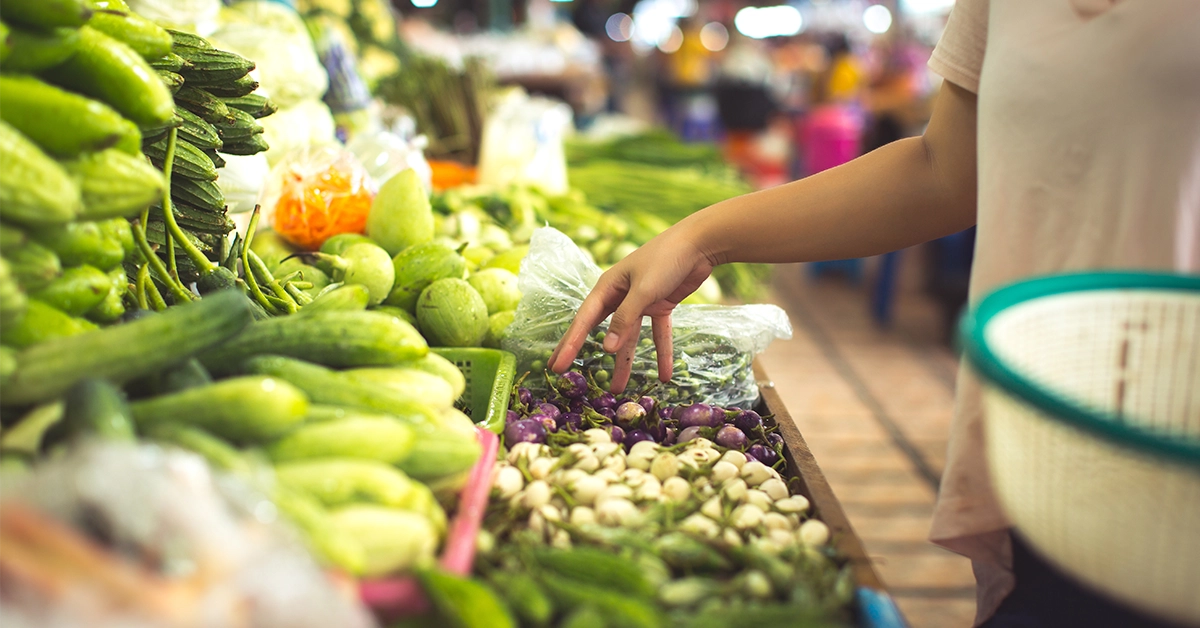
The food service sector, often referred to as the "out-of-home" market, includes restaurants, cafés, catering companies, school canteens, hospitals, and workplace cafeterias. This segment represents a significant opportunity to boost demand for organic products, as millions of meals are served outside the home every day. By increasing the availability of certified organic ingredients in these settings, Germany aims to make sustainable food choices more accessible to consumers.
The German government has set ambitious targets to expand organic farming and increase the share of organic food consumed nationwide. To support these goals, various measures are being implemented, including financial incentives, educational programs, and guidance for food service operators seeking to integrate more organic ingredients into their menus. Public procurement policies are also playing a key role, encouraging schools, hospitals, and other public institutions to source a greater proportion of organic products.
Supporting demand for organic produce
Beyond the environmental benefits, greater use of organic food in catering and food service can create new market opportunities for farmers and producers. A growing and stable demand from restaurants and institutional kitchens can help strengthen organic supply chains, improve market access, and provide long-term economic benefits for the agricultural sector.
Supporters of the initiative highlight that organic farming contributes to biodiversity protection, improved soil health, reduced pesticide use, and lower environmental impacts. Increasing the presence of organic food in public and private catering establishments also helps raise consumer awareness about sustainable agriculture and healthy eating habits.
While challenges remain, including supply chain logistics, pricing considerations, and the need for greater awareness among operators, Germany's efforts demonstrate a strong commitment to advancing organic food consumption beyond retail shelves. By strengthening links between organic producers and the food service industry, the country hopes to accelerate the transition towards a more sustainable and resilient food system.
As demand for organic products continues to grow across Europe, Germany's approach may serve as a model for other countries looking to promote sustainability through public catering and the wider hospitality sector. The initiative underscores the important role that restaurants, canteens, and catering services can play in driving the future growth of organic agriculture.
What this means for organic producers
For organic farmers, Germany's increased support for organic food in restaurants, canteens, schools, hospitals, and catering services is generally positive and could create several benefits.
Increased Demand for Organic Products
As more food service providers commit to sourcing organic ingredients, farmers could see stronger and more consistent demand for their products. Unlike retail markets, which can fluctuate with consumer spending habits, institutional buyers often purchase large volumes on a recurring basis.
New Market Opportunities
Organic farmers may gain access to new sales channels beyond supermarkets and specialty stores. Supplying schools, hospitals, corporate cafeterias, and catering companies can diversify revenue streams and reduce dependence on traditional retail markets.
Greater Income Stability
Long-term supply contracts with food service operators can provide more predictable demand and pricing. This can help farmers plan production more effectively and reduce some of the uncertainty associated with agricultural markets.
Incentive to Convert to Organic Farming
As demand grows, conventional farmers may be encouraged to transition to organic production. Increased market opportunities can improve the business case for investing in organic certification and sustainable farming practices.
Stronger Local Supply Chains
Many public procurement programs prioritize local sourcing alongside organic certification. This could benefit regional organic producers by connecting them directly with nearby food service operators and reducing reliance on imports.
Potential Challenges
The initiative is not without challenges for farmers:
Volume requirements: Large catering and institutional buyers often require consistent year-round supply that smaller farms may struggle to provide independently.
Price pressure: Some food service operators work with tight budgets and may seek lower prices than premium retail markets.
Certification and traceability: Farmers must maintain compliance and documentation to meet organic and public procurement standards.
Production planning: Demand from large buyers may require farmers to adjust crop planning, logistics, and harvesting schedules.
Overall Impact
Overall, the policy is likely to be a significant boost for organic farmers. Increased public and private sector purchasing can expand the market for organic products, create more stable demand, strengthen local supply chains, and support the long-term growth of organic agriculture. For farmers already producing organically, it could mean larger and more reliable markets; for conventional farmers, it may provide additional incentives to convert to organic production.
How Suolo e Salute can help organic operators
As one of the leading organic certification bodies, Suolo e Salute helps farmers, processors, distributors, and food service operators demonstrate compliance with organic standards and access growing market opportunities. Through independent certification, traceability verification, and ongoing technical support, Suolo e Salute enables operators to meet the requirements of organic regulations while building trust with consumers and institutional buyers.
As demand for certified organic ingredients increases in restaurants, schools, hospitals, and catering services, Suolo e Salute supports the development of transparent and reliable supply chains that connect organic producers with the food service sector, helping drive the transition towards a more sustainable food system.
Contact Us
To learn more about how Suolo e Salute helps operators meet organic certification requirements and implement sustainable agricultural practices, contact our team today.
About Cotecna
For over 50 years, we have been supporting agriculture, food and pharma, minerals and metals, and consumer products supply chains all over the world. We provide testing, inspection, and certification services to help our clients navigate evolving regulations, ensure product compliance, and support their sustainability journey.
About Suolo e Salute
Established in Italy, Suolo e Salute is a leading Control and Certification Body dedicated to soil and environmental testing. With a strong focus on accuracy, sustainability, and scientific excellence, it supports agricultural, environmental, and regulatory clients with tailored analytical solutions. Committed to innovation and environmental stewardship, Suolo e Salute delivers trustworthy insights that drive responsible land management. Suolo e Salute brings global expertise and local impact together.
Latest News

30.10.2026
Beyond Carbon Footprint: A Practical Guide to More Sustainable Businesses
Explore how GHG inventories, emissions verification, Life Cycle Assessment, energy management and ESG assurance support credible business sustainability.
30.10.2026
Strengthening Cotecna's Global Metals & Minerals Network Through Leadership Engagement
Mark Houchin's global visits highlight Cotecna's commitment to technical excellence and operational alignment, while focussing on strong customer partnerships worldwide.