



Global Regulatory Update: Strengthening Patient Safety Through Evolving Extractables & Leachables Standards
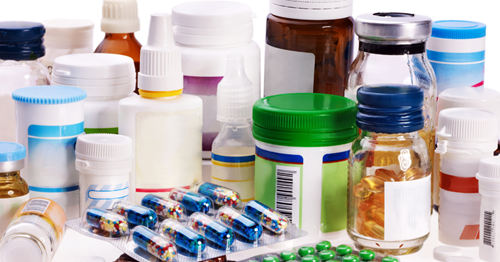
At Cotecna, we recognize that Extractables and Leachables (E&L) requirements are undergoing significant evolution as global regulatory authorities refine expectations to safeguard patient safety, enhance product quality, and improve material characterization. As 2026 begins, new regulatory updates are reshaping the pharmaceutical and biopharmaceutical landscape, underscoring the importance of robust E&L strategies in drug development and packaging.
To help explain recent updates and emerging trends, Neotron, part of the Cotecna group, recently held an informative webinar.
Summary of the webinar presentation by Neotron:
E&L studies are becoming more and more important due to their increasing relevance in ensuring pharmaceutical product quality, patient safety, and regulatory compliance.
The webinar reviewed the principal compendial and regulatory standards governing E&L assessments, introducing the new draft of ICH Q3E, which aims to create a global, harmonized approach for identifying E&L, evaluating their toxicity, and managing related risks.
ICH Q3E became the milestone of the importance of the risk‑based approach, how safety assessments are performed, and the workflows for both manufacturing equipment and packaging materials.
A key focus is the transition from legacy USP <661> to the updated USP <661.1> and <661.2>, which require more rigorous polymer characterization, physicochemical evaluation, biological reactivity testing, and system-level chemical safety assessments. In this context, the overview of these chapters has to be integrated with ICH Q3E fundamentals by supporting material selection, establishing chemical suitability, and determining when E&L studies are scientifically justified.
The entire regulatory landscape is actively shifting toward the new ICH Q3E mindset, where harmonization, riskbased evaluation, and comprehensive chemical characterization become the central expectations.
In general, it is clear that in the E&L sector we are witnessing a gradual shift in regulatory expectations, progressively aligning with the ICH Q3E mindset. Taken together, the 2026 initiatives— including the finalization of ICH Q3E, the revision of USP <1664.x> chapters, the alignment of USP <665> with ICH principles, and increased scrutiny of medical devices—is showing how the regulatory framework is moving toward a transition to a harmonized, lifecycle‑oriented, and toxicologically driven approach to managing E&L risks.
Key Regulatory Developments
We are closely monitoring recent changes that highlight a stronger focus on harmonization and transparency:
- ICH Q3E Implementation: This newly introduced guideline establishes harmonized expectations for E&L risk assessment and study design across global markets, providing a consistent framework for pharmaceutical and biologic products.
- USP <661.1> and USP <661.2> Updates: Revised compendial chapters on plastic materials of construction and plastic packaging systems now set clearer requirements for material characterization, compliance, and safety assurance.
Industry Impact
We understand that these regulatory updates will influence multiple aspects of pharmaceutical and biopharmaceutical practices, including:
- Risk Assessment: Strengthening frameworks for identifying and mitigating E&L risks.
- Study Design: Aligning analytical strategies with updated regulatory expectations.
- Analytical Approaches: Leveraging advanced methods to detect and quantify extractables and leachables.
- Toxicological Evaluations: Ensuring patient safety through comprehensive assessment of potential exposure.
Why It Matters
For us, the evolving E&L requirements mark a pivotal step forward in harmonizing global standards for pharmaceutical packaging and product safety. We believe that staying ahead of these updates is critical to:
- Ensuring regulatory compliance across multiple jurisdictions.
- Protecting patient safety through robust material characterization.
- Enhancing product quality and reliability in competitive markets.
- Building confidence with regulators, healthcare providers, and patients.
Conclusion
As E&L requirements continue to evolve, we see 2026 as a turning point for pharmaceutical and biopharmaceutical companies. The implementation of ICH Q3E and updates to USP <661.1> and <661.2> highlight our industry’s commitment to transparency, safety, and innovation.
At Cotecna, we remain dedicated to supporting proactive compliance strategies and robust testing frameworks that safeguard patient health and ensure product integrity in global markets.
Contact us today to learn more about Extractables & Leachables requirements or to request a customized quotation.
Catch up on the recent webinar by watching the recording here.
About Cotecna
For over 50 years, we have been supporting agriculture, food and pharma, minerals and metals, and consumer products supply chains all over the world. We provide testing, inspection, and certification services to help our clients navigate evolving regulations, ensure product compliance, and support their sustainability journey.
About Neotron
Neotron is a premier European provider of analytical services, specializing in food, feed, pharmaceuticals, and cosmetics. With a focus on precise testing, sensory analysis, and R&D, Neotron ensures compliance with the highest global standards. As an accredited lab Neotron delivers innovative, tailored solutions to meet the diverse product development and quality control needs of its clients.
Latest News

30.10.2026
Beyond Carbon Footprint: A Practical Guide to More Sustainable Businesses
Explore how GHG inventories, emissions verification, Life Cycle Assessment, energy management and ESG assurance support credible business sustainability.
30.10.2026
Strengthening Cotecna's Global Metals & Minerals Network Through Leadership Engagement
Mark Houchin's global visits highlight Cotecna's commitment to technical excellence and operational alignment, while focussing on strong customer partnerships worldwide.