



How Testing, Inspection, and Certification (TIC) Services Strengthen Agricultural Quality, Food Safety, and Sustainable Harvests
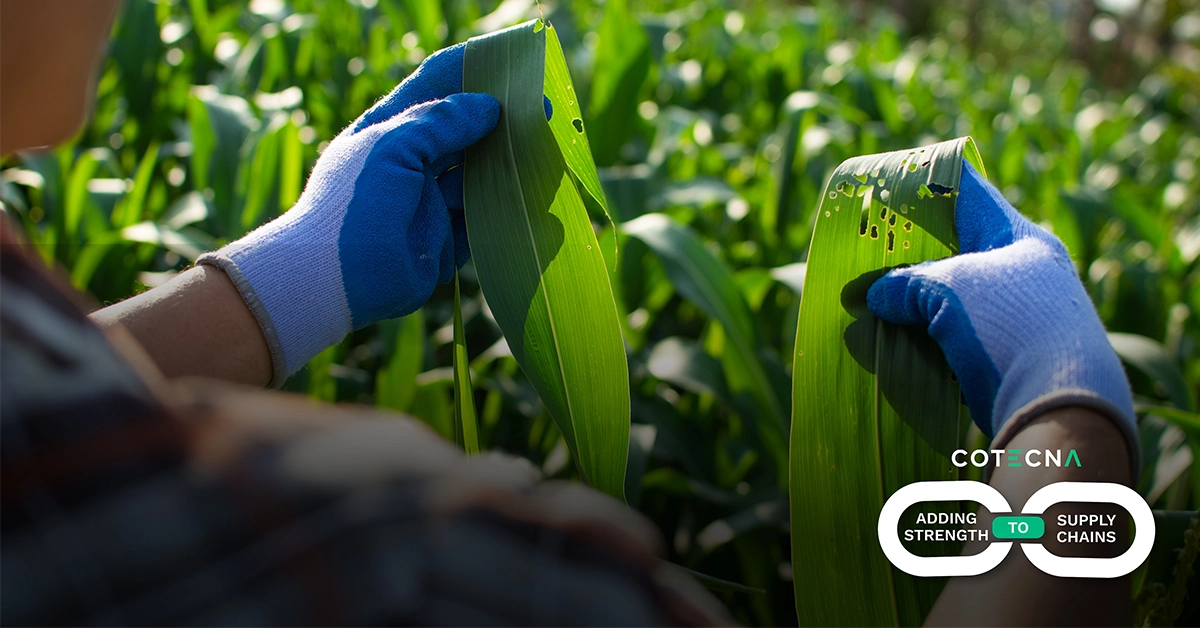
Agriculture is the foundation of global food systems, supporting billions of people and contributing significantly to economic development, international trade, and rural livelihoods. As global populations continue to grow and consumer expectations evolve, agricultural producers face increasing pressure to deliver products that are safe, sustainable, traceable, and compliant with an expanding range of regulatory and market requirements.
At the same time, climate change, emerging plant diseases, environmental degradation, and increasingly complex supply chains have made agricultural production more challenging than ever. A single quality issue, contamination event, or non-compliance finding can disrupt exports, damage brand reputation, result in costly product recalls, and erode consumer confidence.
Against this backdrop, Testing, Inspection, and Certification (TIC) services have become essential for safeguarding agricultural quality and food safety. By providing independent verification throughout the agricultural value chain, TIC services help producers, exporters, processors, retailers, and regulators manage risks, meet international standards, and build trust in agricultural products from farm to market.
Why Agricultural Quality Matters More Than Ever
Agricultural quality extends beyond the appearance or yield of a crop. It encompasses a broad range of characteristics that determine whether agricultural products are safe, fit for purpose, and suitable for domestic or international markets.
Quality considerations include:
Food safety and contamination control
Product authenticity and integrity
Nutritional quality
Compliance with national and international regulations
Environmental sustainability
Traceability throughout the supply chain
Responsible agricultural practices
As global agricultural trade expands, buyers increasingly expect objective evidence that products meet defined quality specifications before entering the marketplace. Independent verification has therefore become a critical component of modern agricultural supply chains.
Understanding Testing, Inspection, and Certification (TIC) Services
Testing, Inspection, and Certification (TIC) services provide independent assessment of products, processes, and management systems to verify compliance with applicable standards, regulations, and customer requirements.
Although often grouped together, each service plays a distinct role.
Testing
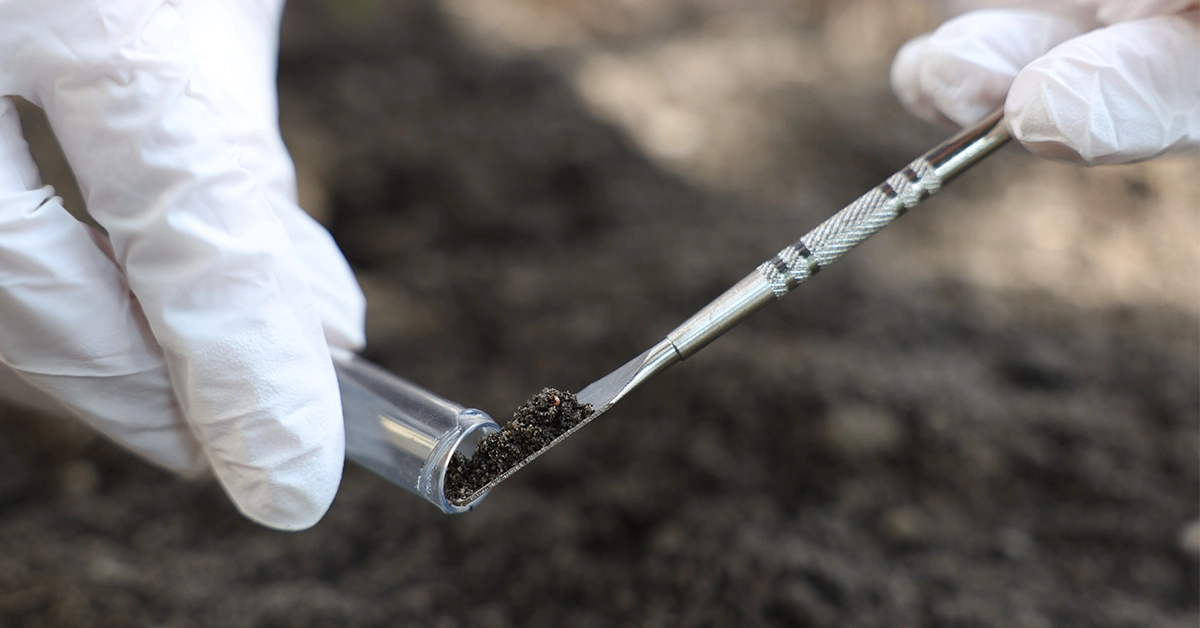
Testing involves laboratory analysis to evaluate the physical, chemical, or biological characteristics of agricultural products.
Common agricultural testing includes:
Pesticide residue analysis
Heavy metal testing
Mycotoxin detection
Soil nutrient analysis
Water quality testing
Seed quality evaluation
Microbiological testing
Fertilizer analysis
Animal feed testing
Accurate laboratory testing provides objective data that supports informed decision-making and regulatory compliance.

Inspection
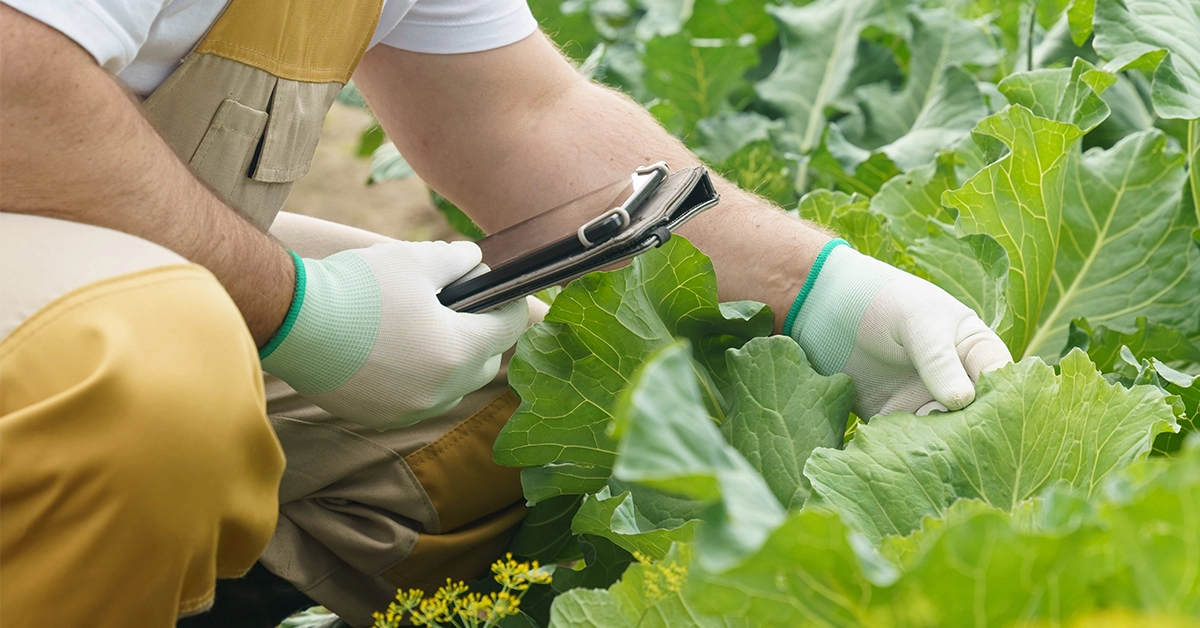
Inspection verifies that agricultural products, facilities, and operations meet specified requirements through on-site assessments and visual examinations.
Inspection activities may include:
Crop inspections
Pre-shipment inspections
Quantity and quality verification
Sampling
Storage condition assessments
Warehouse inspections
Container loading supervision
Inspections help identify issues before products move further along the supply chain, reducing the likelihood of disputes, delays, or rejected shipments.
Certification
Certification provides formal confirmation that products, processes, or management systems comply with established standards.
Examples include certification related to:
Good Agricultural Practices (GAP)
Organic production
Food safety management systems
Sustainability programs
Supply chain assurance schemes
Certification demonstrates commitment to recognized best practices and helps businesses satisfy customer and regulatory expectations.
Supporting Food Safety from Farm to Fork
Food safety begins long before agricultural products reach processors, retailers, or consumers. Hazards introduced during cultivation, harvesting, storage, transportation, or processing can compromise product safety and create significant public health risks.
Potential agricultural hazards include:
Chemical contaminants
Biological pathogens
Environmental pollutants
Mycotoxins
Foreign materials
Veterinary drug residues
Independent testing and inspection help identify these risks at critical control points before products enter the food supply chain.
Laboratory analysis can detect contaminants that are invisible during routine visual inspections, while regular inspections verify that agricultural practices, handling procedures, and storage conditions minimize opportunities for contamination.
This proactive approach supports safer food systems while reducing the likelihood of costly recalls and regulatory enforcement actions.
Strengthening Confidence in International Agricultural Trade
International agricultural trade depends on trust.
Importing countries require confidence that products comply with their food safety regulations, phytosanitary requirements, quality specifications, and contractual obligations. Exporters must demonstrate compliance with these requirements to maintain market access and avoid shipment delays or rejections.
Independent TIC services help bridge this trust gap by providing impartial verification of product quality and compliance.
For exporters, this can help:
Reduce border inspection delays
Support customs clearance
Minimize commercial disputes
Improve buyer confidence
Facilitate access to new international markets
For importers, independent verification provides additional assurance that products meet agreed specifications before they enter domestic supply chains.
Managing Risk Across Agricultural Supply Chains
Modern agricultural supply chains involve numerous stakeholders, including growers, cooperatives, processors, logistics providers, exporters, importers, laboratories, retailers, and regulatory authorities.
Each stage introduces potential risks that may affect product quality or compliance.
Examples include:
Improper pesticide application
Cross-contamination during storage
Moisture damage during transport
Temperature fluctuations
Fraudulent substitution
Mislabeling
Poor documentation
Inadequate traceability
Effective risk management requires more than periodic testing. It requires a systematic approach that combines inspection, laboratory analysis, certification, and continuous monitoring.
Independent TIC services provide valuable visibility across the supply chain, allowing organizations to identify vulnerabilities early and implement corrective actions before issues escalate.
Sustainability Is Becoming a Business Requirement
Sustainability has become an increasingly important consideration for agricultural producers, food manufacturers, retailers, investors, and consumers.
Organizations are expected to demonstrate responsible environmental practices while maintaining productivity and profitability.
Sustainable agriculture may involve:
Responsible soil management
Efficient water use
Biodiversity protection
Reduced pesticide reliance
Carbon footprint reduction
Responsible sourcing
Waste minimization
Independent verification supports sustainability initiatives by providing objective evidence that environmental commitments are supported by measurable practices.
Certification programs and environmental assessments help organizations demonstrate transparency while responding to evolving customer expectations and sustainability reporting requirements.
The Growing Importance of Traceability
Supply chain transparency has become a defining characteristic of modern agriculture.
Consumers increasingly want to understand where their food comes from, how it was produced, and whether it meets ethical and environmental expectations.
Businesses similarly require greater visibility to manage recalls, verify supplier performance, and comply with emerging regulatory requirements.
Traceability systems supported by inspection, documentation reviews, laboratory testing, and certification allow organizations to follow agricultural products throughout the supply chain.
When quality issues occur, effective traceability enables faster investigations, targeted recalls, and improved corrective actions, reducing operational disruption and protecting consumer confidence.
Navigating an Evolving Regulatory Landscape
Agricultural regulations continue to evolve as governments respond to new scientific evidence, food safety concerns, environmental priorities, and international trade developments.
Businesses operating across multiple markets must remain informed about changing requirements related to:
Maximum residue limits (MRLs)
Plant health regulations
Import and export documentation
Food safety standards
Environmental compliance
Sustainability reporting
Product labeling
Failure to comply can result in shipment rejections, financial losses, reputational damage, and reduced market access.
Independent TIC providers help organizations interpret regulatory requirements, verify compliance, and maintain confidence throughout the certification and inspection process.
Leveraging Data for Better Agricultural Decisions
Agricultural testing generates valuable data that extends beyond regulatory compliance.
Laboratory results, inspection findings, and certification audits can reveal trends that help organizations improve productivity, optimize resource use, and strengthen quality management systems.
For example, soil testing supports more informed nutrient management decisions, while residue analysis can guide improvements in crop protection practices.
Similarly, inspection data may identify recurring operational challenges that require targeted corrective actions.
Organizations that integrate TIC data into their broader quality and risk management strategies are often better positioned to improve efficiency while reducing long-term operational risks.
The Future of Agricultural Quality Assurance
Agriculture is entering a new era shaped by digital technologies, sustainability expectations, climate resilience, and increasingly interconnected global supply chains.
Emerging innovations such as remote sensing, precision agriculture, artificial intelligence, digital traceability platforms, and advanced laboratory technologies are transforming how quality and compliance are managed.
Despite these technological advances, one principle remains constant: confidence in agricultural products depends on independent verification.
Testing, inspection, and certification services will continue to play a central role in helping organizations demonstrate product quality, strengthen food safety, support sustainability objectives, and maintain compliance with evolving international requirements.
As market expectations continue to grow, businesses that invest in proactive quality assurance and risk management will be better equipped to protect their reputation, improve operational resilience, and compete successfully in global markets.
Building Confidence Through Independent Expertise
Agricultural quality is no longer defined solely by productivity or yield. It is increasingly measured by safety, transparency, sustainability, and compliance throughout the value chain.
Independent Testing, Inspection, and Certification services provide the assurance needed to support these objectives. From laboratory testing and field inspections to certification and regulatory verification, TIC services help organizations manage risk, strengthen consumer confidence, and facilitate safe and efficient agricultural trade.
For businesses navigating increasingly complex agricultural markets, independent expertise is more than a compliance requirement. It is a strategic investment in long-term resilience, operational excellence, and sustainable growth.
As agricultural supply chains continue to evolve, partnering with experienced TIC providers can help organizations anticipate challenges, adapt to changing regulations, and deliver products that meet the highest standards of quality and safety.
Learn more about how Cotecna's Testing, Inspection, and Certification services can help your organization strengthen agricultural quality, support food safety, and navigate today's evolving regulatory and market requirements.
Cotecna, a Global Agriculture Partner
With a global network of over 180 offices and laboratories, Cotecna is present close to key agriculture hubs and markets. Our modern fully equipped laboratories provide cutting edge analytical services optimised to provide timely and accurate support for our clients.
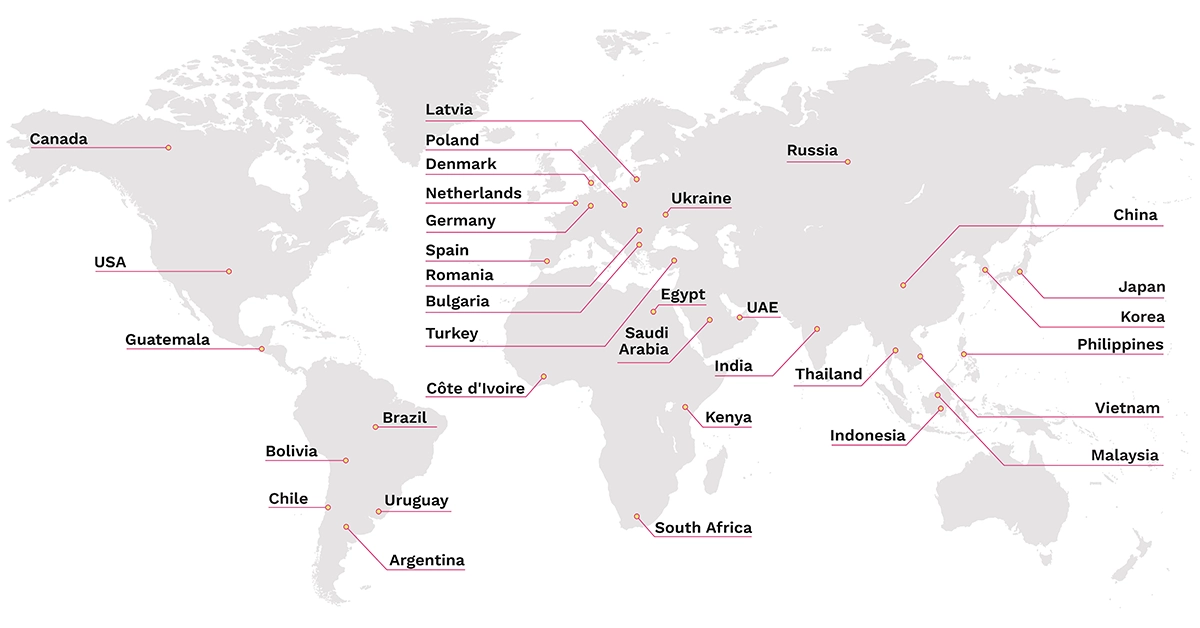
Zoom on Key Cotecna Agriculture Entities
Baier Testing (Shandong Baier Testing Corp., Ltd.)
Cotecna Lab Netherlands (previously known as NofaLab)
Download the free 2026 Cotecna Agriculture Brochure.
To learn more about Cotecna Agriculture Solutions, or to get a free quote, please contact us.
Follow us on Social Media to keep up with our latest updates.
Why Choose Cotecna
At Cotecna, we work with our clients to tailor services to meet their needs. We leverage our expertise and agility to create synergy and solutions that strengthen businesses and supply chains. Our global presence means we deliver solutions locally without compromising quality.
About Cotecna
For over 50 years, we have been supporting agriculture, food and pharma, metals and minerals, and consumer products supply chains all over the world. We provide testing, inspection, and certification services to help our clients navigate evolving regulations, ensure product compliance, and support their sustainability journey.
Latest News

30.10.2026
Beyond Carbon Footprint: A Practical Guide to More Sustainable Businesses
Explore how GHG inventories, emissions verification, Life Cycle Assessment, energy management and ESG assurance support credible business sustainability.
30.10.2026
Strengthening Cotecna's Global Metals & Minerals Network Through Leadership Engagement
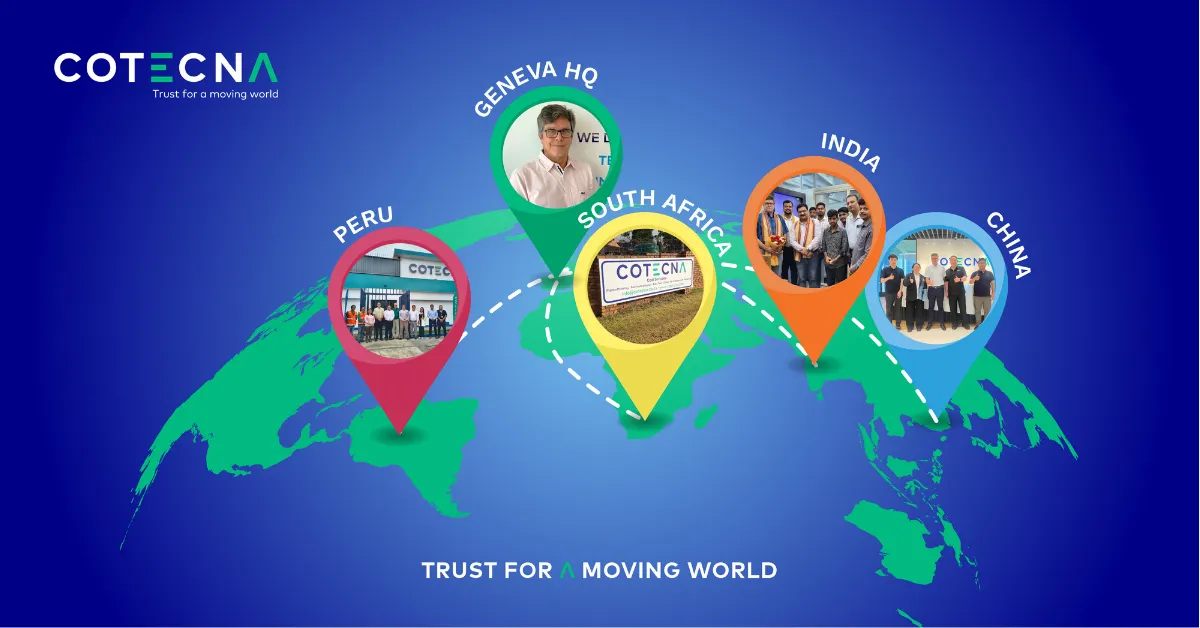
Mark Houchin's global visits highlight Cotecna's commitment to technical excellence and operational alignment, while focussing on strong customer partnerships worldwide.