



Inorganic Arsenic Testing for EU Compliance with Neotron
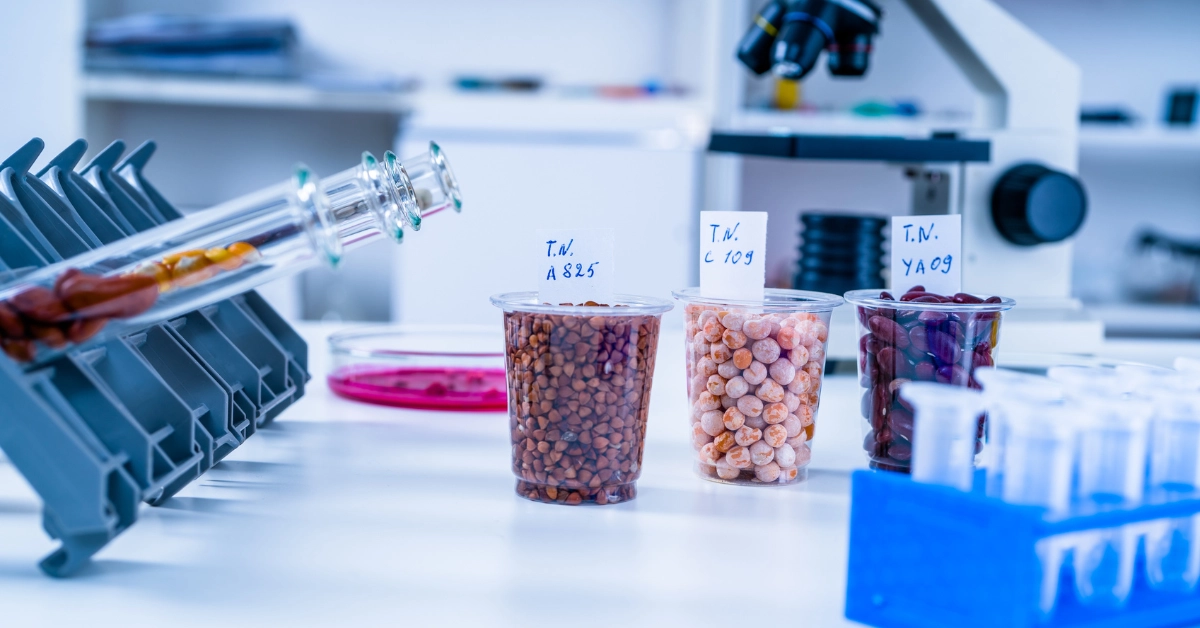
Heavy metals are high-density elements that can be toxic at high levels. Metals can occur as residues in food because of their presence in the environment, as a result of human activities such as farming, industry or from contamination during food processing and storage. People can be exposed to these metals from the environment or by ingesting contaminated food or water. Their accumulation in the body can lead to harmful effects over time. Contamination from toxic heavy metals and their adverse health impacts is a major global environmental concern.
Commission Regulation (EU) 915/2023 and its amendments sets, amongst others, maximum levels for Pb, Cd and Hg, Arsenic, Inorganic Arsenic and Nickel in food.
Neotron proposal
Neotron performs the analysis of the following elements as per below details by ICP-MS technique with the limit of quantification of 0,005 mg/kg:
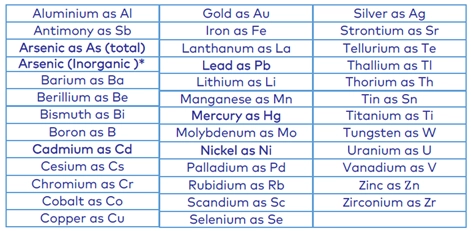
*Regarding the inorganic arsenic detection, we offer two validated and accredited analytical methods: one through an internal method by ICP-MS and another performed by the chromatographic separation of arsenic species by HPLC-ICP-MS technique according to UNI EN 16802:2016 standard.
Furthermore, Neotron offers analysis of the following elements by ICP-AES technique which may be declared in food:
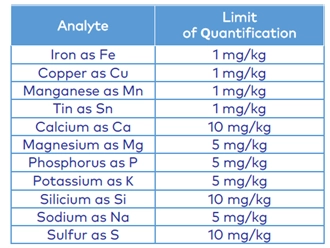
Neotron can also detect by ICP-MS other elements such as Iodine (0,005 mg/kg).
Arsenic and Inorganic Arsenic
Arsenic is a naturally occurring element, that exist in different inorganic and organic forms, present in soil, ground water and plants. The inorganic forms of arsenic are more toxic as compared to organic arsenic. Food such as wheat bread, rice grains and rice based products, milk and dairy products, food for special dietary uses, coffee and beer, fish and vegetables (especially algae) and drinking water are the main sources of exposure.
The main adverse effects reported to be associated with long term ingestion of inorganic arsenic in humans are: skin lesions, cancer, developmental toxicity, neurotoxicity, cardiovascular diseases, abnormal glucose metabolism, and diabetes. There is emerging evidence of negative impact on foetal and infant development, particularly reduced birth weight.
In March 2023, the European Commission published the Commission Regulation (EU) 2023/465 of 3 March 2023 amending Regulation (EC) No 1881/2006 repealed by Reg. (EU) No 915/2023 as regards maximum levels of arsenic in certain foodstuffs.
For details, please see the Annex to Regulation (EU) No 915/2023, subsection 3.4 (Arsenic).
Neotron Analytical Proposal for Arsenic
Neotron performs the analysis of arsenic by HPLC-ICP-MS technique, or according to UNI EN 16802:2016 or through an internal method, both validated and accredited. These methods follow Commission Regulation (EU) 915/2023 and its amendments.
To learn more about metal detection in food or to request for a free quote, please contact us.
About Cotecna
For over 50 years, we have been supporting agriculture, food and pharma, minerals and metals, and consumer products supply chains all over the world. We provide testing, inspection, and certification services to help our clients navigate evolving regulations, ensure product compliance, and support their sustainability journey.
Latest News

30.10.2026
Beyond Carbon Footprint: A Practical Guide to More Sustainable Businesses
Explore how GHG inventories, emissions verification, Life Cycle Assessment, energy management and ESG assurance support credible business sustainability.

30.10.2026
Strengthening Cotecna's Global Metals & Minerals Network Through Leadership Engagement
Mark Houchin's global visits highlight Cotecna's commitment to technical excellence and operational alignment, while focussing on strong customer partnerships worldwide.