



Journal Retracts Landmark Glyphosate Study After 25 Years Over Reliability Concerns
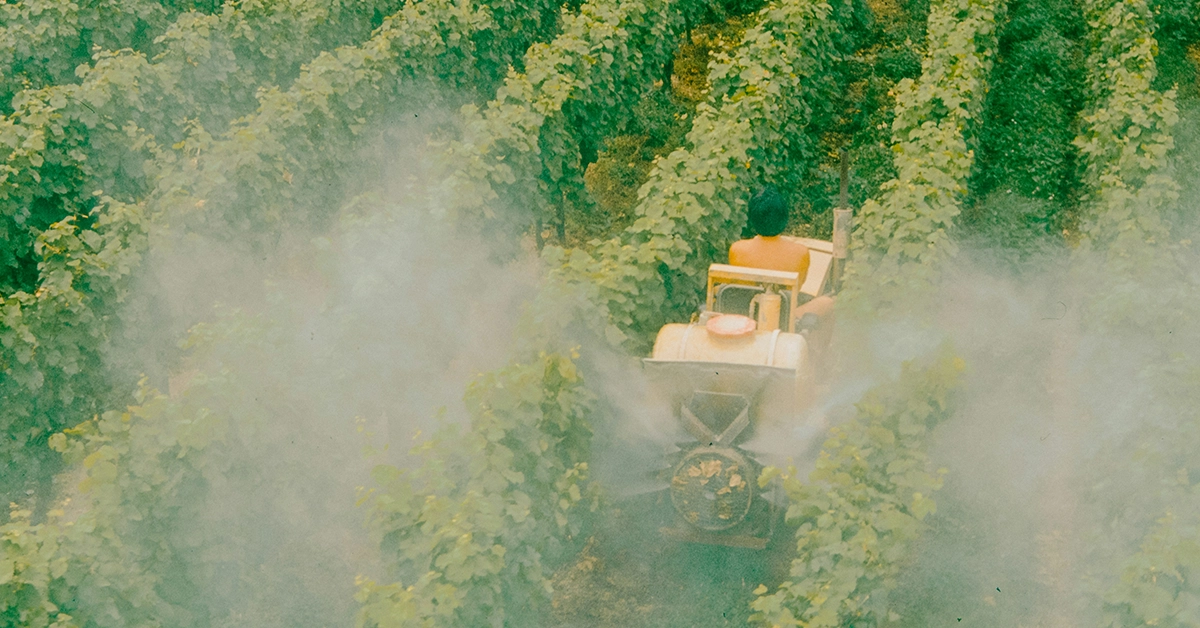
After 25 years, the journal retracts the article that cleared glyphosate of any charges, facilitating its authorization by the authorities: it is not reliable.
In 2000, the journal Regulatory Toxicology and Pharmacology published the article 'Safety Evaluation and Risk Assessment of the Herbicide Roundup and Its Active Ingredient, Glyphosate, for Humans', which cleared glyphosate of all charges.
Doubts had been raised from many quarters about the independence of the study, but those who expressed doubts were accused of conspiracy theories and anti-scientific attitudes, so that the use of glyphosate and the renewal of its authorization were never seriously at risk.
For its part, in 2015, the World Health Organization’s International Agency for Research on Cancer classified glyphosate as 'probably carcinogenic to humans' , and a monograph published in The Lancet Oncology that same year concluded that there was sufficient evidence that the herbicide caused cancer in animals, while in humans the cause-effect relationship was certain only for non-Hodgkin's lymphoma (a type of blood cancer that attacks the white blood cells of the immune system), with strong evidence of genotoxicity.
The 2015 studies were also contested, if not ridiculed, with the 2000 article, which was one of the cornerstones of the dossier submitted by Monsanto to obtain authorization and its renewals, being constantly cited.
However, a quarter of a century after its publication, the publisher withdrew the article at the request of the editor-in-chief, Prof. Martin van den Berg.
Over the years, several concerns have been raised about the authorship of the article, the validity of the research results, the untruthful representation of the contributions of the various authors and the sponsor, and potential conflicts of interest on the part of the authors.
The journal contacted the only surviving author, Gary M. Williams, asking for explanations regarding the various concerns that had emerged, but received no response.
Based on the unresolved critical issues, which were deemed to undermine the academic integrity of the article and its conclusions, it was therefore decided to formally retract it from the journal.
The questions posed in vain to the author sought clarification regarding the selection of studies cited (reference was made to unpublished research provided by Monsanto, while neglecting published independent studies reporting carcinogenicity and chronic effects), independence (legal proceedings revealed the undeclared participation of Monsanto employees in the study) and conflicts of interest (undeclared payments by Monsanto to the authors came to light), conclusions that could not be attributed with certainty, and the article's significant influence on the decisions of various authorities, which made it necessary to clarify its fragility.
The various competent authorities (including the EU) in dealing with glyphosate authorizations and their renewal relied on published studies, including both the article now withdrawn because it was unreliable and numerous others that referred to it, despite the fact that evidence of unlawful conduct had emerged over time.
As early as 2018, the article The Monsanto Papers: Poisoning the scientific well, examining declassified Monsanto documents from legal disputes, had denounced evidence of Monsanto's practice of sponsoring (without declaring it) articles published in toxicology journals and non-specialist media, its interference in the peer review process, and the creation of a website passed off as academic in defense of its products.
The questions posed in vain to the author sought clarification regarding the selection of studies cited (reference was made to unpublished research provided by Monsanto, neglecting published independent studies that reported carcinogenicity and chronic effects), independence (legal proceedings revealed the undeclared participation of Monsanto employees in the study) and conflicts of interest (payments emerged - The defense of glyphosate by paid academics, presented as third parties, also came under scrutiny, demonstrating practices that went beyond corruption and despite efforts to ensure transparency and avoid manipulation by industry.
This issue concerns not only glyphosate, but the entire system for authorizing pesticides, additives and other chemicals. Will the competent authorities take this into account?
The withdrawn article is available here: ScienceDirect
About Cotecna
For over 50 years, we have been supporting agriculture, food and pharma, minerals and metals, and consumer products supply chains all over the world. We provide testing, inspection, and certification services to help our clients navigate evolving regulations, ensure product compliance, and support their sustainability journey.
About Suolo e Salute
Suolo e Salute is one of Europe's leading inspection and certification bodies for organic farming, quality agri-food products, and environmental standards. It certifies nearly 29,000 operators under several certification schemes, including organic farming, GlobalG.A.P., integrated farming, and animal welfare.
In Italy, Suolo e Salute is the leading certification body for organic production, with more than 24,500 certified operators and over 710,000 hectares under inspection. The company has more than 150 employees and a network of over 300 auditors. In 2025, Suolo e Salute became part of the Cotecna Group and is now able to offer certification services worldwide. For more information, please visit www.suoloesalute.it.
Latest News

30.10.2026
Beyond Carbon Footprint: A Practical Guide to More Sustainable Businesses
Explore how GHG inventories, emissions verification, Life Cycle Assessment, energy management and ESG assurance support credible business sustainability.
30.10.2026
Strengthening Cotecna's Global Metals & Minerals Network Through Leadership Engagement
Mark Houchin's global visits highlight Cotecna's commitment to technical excellence and operational alignment, while focussing on strong customer partnerships worldwide.