



Keep Your Imports Moving: Understanding Kenya's PVoC Requirements

Importing goods into Kenya requires more than managing logistics and customs documentation. Importers and exporters need to ensure their products meet Kenya's technical rules and standards before shipping. Not meeting these requirements can lead to delays in shipment, extra inspections, financial penalties, or even denial of entry.
The Kenya Bureau of Standards (KEBS) manages the Pre-Export Verification of Conformity (PVoC) program. This program helps reduce these risks. PVoC checks if regulated products meet Kenyan standards. It ensures compliance before exporters ship items to Kenya. The programme protects consumers, ensures product quality and safety, and facilitates trade.
Understanding the PVoC process is essential for businesses that export to Kenya. Effective compliance planning helps customs clearance proceed without issues. It also keeps the supply chain running well.
What Is Kenya's PVoC Programme?
The Pre-Export Verification of Conformity (PVoC) programme is a conformity assessment framework implemented by KEBS.
The exporting country must check specific regulated products before shipping them to Kenya. The assessment confirms compliance with relevant Kenyan standards, technical regulations, or approved specifications.
The organization established the program to:
- Protect consumer health and safety
- Support environmental protection
- Reduce the import of substandard products
- Promote fair trade practices
- Help faster clearance of compliant goods at Kenyan ports of entry
Inspection and certification companies appointed by KEBS conduct PVoC. These organizations perform conformity assessment activities on behalf of the regulator before goods are shipped.
Why PVoC Matters for Importers and Exporters
Compliance issues discovered after goods arrive at destination can create significant disruptions. For example, products that don't meet regulations might face extra inspections. Importers may need to act without delay. They could pay storage fees, take corrective actions, or face product rejection.
PVoC helps identify compliance issues at the point of origin. Verifying conformity before shipment helps businesses mitigate risks. This approach reduces customs delays and unexpected costs. Efficient processing of compliant consignments supports supply chain continuity and delivery commitments.
The program gives importers more confidence that their goods meet Kenyan market standards. For exporters, it shows due diligence and maintains access to a key East African market.
Which Products Require PVoC?
A wide range of regulated products may fall within the scope of Kenya's PVoC program. Common product categories can change due to regulatory updates. Examples of these categories include:
- Electrical and electronic products
- Building and construction materials
- Chemicals and chemical products
- Automotive products and spare parts
- Household goods
- Textiles and apparel
- Food-contact materials
- Industrial equipment and machinery
Certain categories of goods may be exempt or subject to alternative regulatory controls. Importers and exporters should always verify product-specific requirements before arranging shipment.
Understanding the Certification Process
A successful PVoC assessment begins well before goods leave the country of export. The process includes several key stages.
1. Submission of a Request for Certification
The exporter or supplier submits a Request for Certification (RFC) with supporting documentation. This may include:
- Product specifications
- Test reports
- Quality certificates
- Commercial documents
- Product labels and technical information
Starting with complete and accurate documents can help prevent delays.
2. Product Evaluation
The authorized body checks technical documents. It finds the relevant Kenyan standards and rules. If existing test reports are insufficient or outdated, it may need extra testing.
3. Inspection and Verification
Depending on the product and certification route, the company may need a physical inspection before shipment. Inspection activities help confirm that the shipped products correspond to approved specifications and supporting documentation.
4. Testing Requirements
Accredited laboratories must test product samples to verify compliance with applicable standards. Testing requirements vary according to product type, risk profile, and existing compliance documentation.
5. Issuance of the Certificate of Conformity
When all PVoC requirements are met, the issuing authority provides a Certificate of Conformity (CoC). The CoC shows that the shipment meets Kenyan regulations. It’s an important document for customs clearance.
The Importance of the Certificate of Conformity
The Certificate of Conformity is a key document in the PVoC framework. For regulated products, you often need to assist with customs processing and prove compliance.
Shipping goods without the appropriate certification can expose importers and exporters to additional regulatory scrutiny. Non-compliant consignments may face delays, inspections at the destination, penalties, or restricted market access.
Maintaining valid certification consequently plays a critical role in ensuring efficient cross-border trade.
Common Challenges and How to Avoid Them
Many PVoC-related issues arise because exporters initiate compliance activities too late in the export process.
Common challenges include:
Incomplete Documentation
Missing technical files, inaccurate product information, or outdated test reports can delay certification.
Recommendation: Prepare compliance documentation early and verify that all records are current.
Product Testing Delays
Laboratory testing can extend project timelines, especially when limited testing slots occur.
Recommendation: Assess testing requirements during production planning rather than immediately before shipment.
Incorrect Product Classification
Misclassification can result in the application of incorrect standards or certification requirements.
Recommendation: Before you submit your documents, check the right standard and product category with the assigned conformity assessment body.
Last-Minute Certification Requests
Delaying the certification process until products are ready to ship can raise the risk of missed delivery dates.
Recommendation: Integrate PVoC requirements into supply chain planning and procurement processes.
Best Practices for Smooth Market Access
Businesses that achieve efficient import clearance follow a structured compliance approach regularly.
Key best practices include:
- Understand product-specific Kenyan requirements early
- Maintain updated technical documentation
- Ensure product testing reports are accessible without difficulty.
- Engage approved conformity assessment providers without delay.
- Check regulatory updates that may affect imported goods.
- Train procurement and export teams on compliance obligations
A proactive approach helps organizations avoid disruptions and boosts supply chain predictability.
Conclusion
Meeting Kenya's PVoC requirements is essential for businesses bringing regulated products into the country. This commitment to conformity assessment reduces clearance delays, mitigates regulatory risks, and ensures products meet the quality and safety standards established by KEBS.
Cotecna Kenya supports exporters and importers throughout the certification process by providing PVoC services designed to verify product compliance before shipment. Through technical evaluations, inspection services, testing coordination, and the issuance of Certificates of Conformity, Cotecna helps businesses meet Kenyan regulatory requirements with confidence. Using its global inspection, testing, and certification expertise, Cotecna provides clients with reliable support and regulatory knowledge essential for maintaining the flow of imports and the operation of supply chains.
For more guidance on Kenya's PVoC requirements, access the recording and presentation materials from our webinar held on 21 July 2026 through this link.
About Cotecna
For over 50 years, we have been supporting agriculture, food and pharma, minerals and metals, and consumer products supply chains all over the world. We provide testing, inspection, and certification services to help our clients navigate evolving regulations, ensure product compliance, and support their sustainability journey.
Latest News

30.10.2026
Beyond Carbon Footprint: A Practical Guide to More Sustainable Businesses
Explore how GHG inventories, emissions verification, Life Cycle Assessment, energy management and ESG assurance support credible business sustainability.
30.10.2026
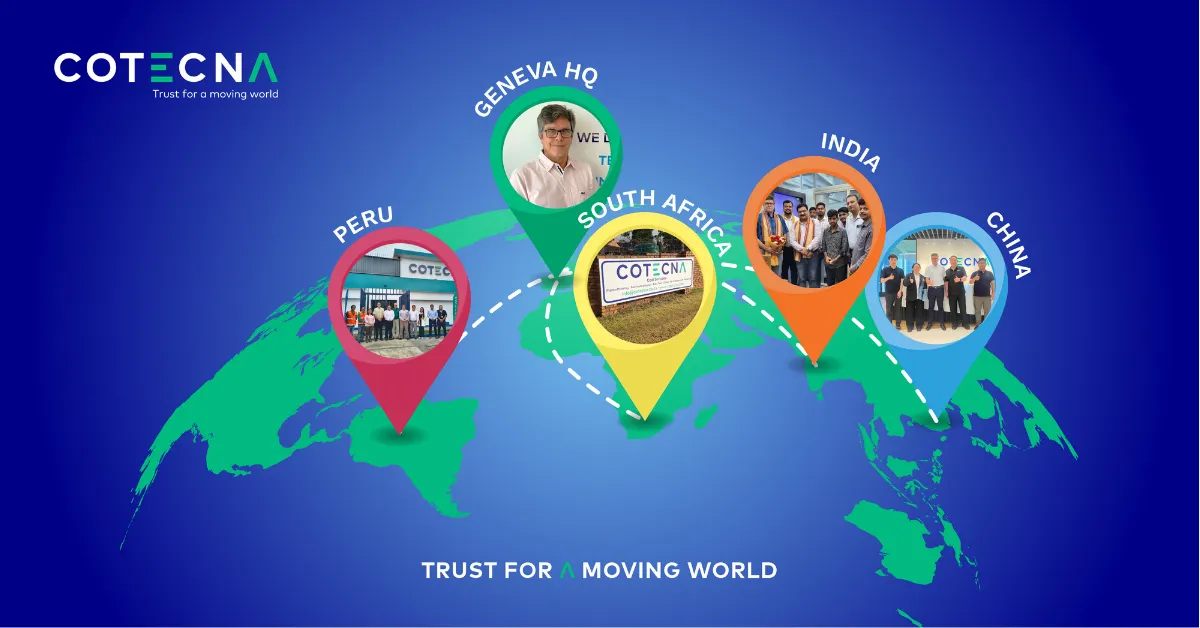
Strengthening Cotecna's Global Metals & Minerals Network Through Leadership Engagement
Mark Houchin's global visits highlight Cotecna's commitment to technical excellence and operational alignment, while focussing on strong customer partnerships worldwide.