



Phytosanitary Diagnosis: A Pillar of Agribusiness Sustainability in the Face of Climate Change
Introduction
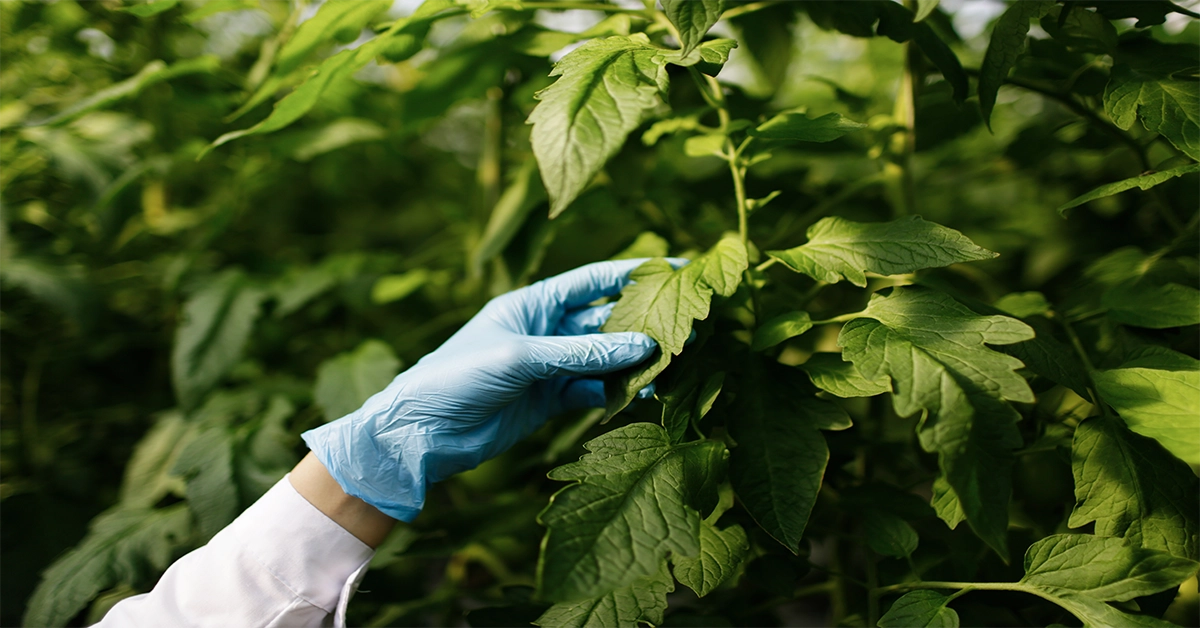
Growing concern about sustainability and the effects of climate change are posing new challenges for agribusiness. In this scenario, phytosanitary diagnosis has become an essential strategic tool, especially for perennial crops such as grapes, apple trees, citrus fruits, olive trees and others. By accurately identifying the presence of pests and pathogens in the soil, such as nematodes and fungi, this diagnosis is the starting point for efficient and sustainable management, guaranteeing the longevity of productive areas.
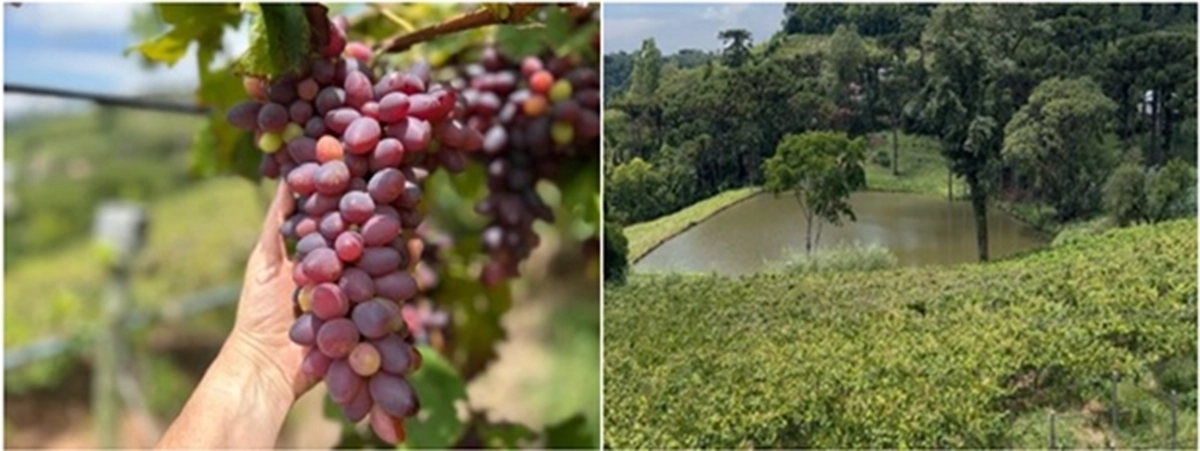 Viticulture - Southern Brazil
Climate Change and Its Effects on Soil Plant Health
Climate change has led to drastic temperature fluctuations, an increase in extreme events (such as prolonged droughts and intense rainfall) and changes in soil moisture cycles. These factors directly affect the biological balance of the soil, creating more favorable environments for the proliferation of pests.
Nematodes and soil fungi, for example, find ideal conditions for development in poorly drained, compacted or water-stressed soils. With the increase in average temperature and the frequency of poorly distributed rainfall, these conditions are becoming increasingly common, increasing inoculum pressure and the risk of silent epidemics.
The Impossibility of Exchanging Areas and Land as Heritage
Until recently, rural producers resorted to swapping areas as a way of mitigating recurring phytosanitary problems. However, with the current more restrictive environmental legislation and the growing pressure for rational land use, this practice has become unfeasible. As a result, soil is no longer just a physical means of support and is now treated as an asset that needs to be preserved and managed based on technical knowledge.
Perennial Crops: A Reality that Demands Precision
In perennial crops like vines, the challenge is even greater. Unlike annual crops, where it is possible to reassess the soil every harvest, vineyards remain in the same area for many years. Any negligence in the initial diagnosis can compromise productivity for long cycles, as well as requiring high costs for chemical and biological control over time.
A phytosanitary diagnosis of the soil, carried out before planting or during periods of vineyard renovation, makes it possible to map the presence and population density of pests such as Meloidogyne spp. and Pratylenchus spp. (nematodes), or fungi such as Fusarium spp. and Pythium spp. which cause root diseases and early plant decline.
Diagnosis as the Basis for Sustainable Management
Knowing what's in the soil is the first step:
- Assertive technical decision-making, based on concrete data;
- Rational use of chemical or biological products, avoiding unnecessary or inefficient applications;
- Implementation of integrated pest management (IPM) practices;
- Preservation of beneficial soil microbiota, which can be compromised by inadequate management;
- Increased longevity of productive areas, with less need for renovations and early replanting.
More Complex Diagnoses and Changing Pathosystems
Another challenge facing phytosanitary diagnostics is the growing complexity of pathosystems, a direct consequence of environmental changes and the intensive use of agricultural areas. Pests and pathogens that used to be specific to certain crops are adapting and expanding their host range, attacking different species and creating new epidemiological scenarios that are still poorly understood.
This breaking down of biological barriers makes it difficult to identify the causal agents, define control strategies and understand the life cycles of pests in contexts that were previously unobserved. In this sense, the soil is becoming an increasingly dynamic and unpredictable reservoir of phytopathogenic organisms, requiring more sensitive, integrated and continuous diagnostic methodologies.
Agronômica's role in Serra Gaúcha in 2025
In response to this challenging scenario, in 2025 the Agronômica Laboratory began pioneering phytosanitary monitoring work in vineyards in Serra Gaúcha, a region recognized for its importance in Brazilian viticulture. The initiative aims to:
- Evaluate the presence of soil pests, especially nematodes and emerging fungi;
- Diagnosing new or atypical diseases, often without a defined symptomatological pattern;
- Investigate possible causal agents that have not yet been identified, through advanced laboratory analysis and scientific cooperation.
This continuous monitoring reinforces the importance of a technical and preventive approach to agricultural soils, especially in high value-added perennial crops such as grapevines. The data collected has contributed to the construction of new epidemiological references, as well as guiding producers in adopting sustainable and locally appropriate phytosanitary management strategies.
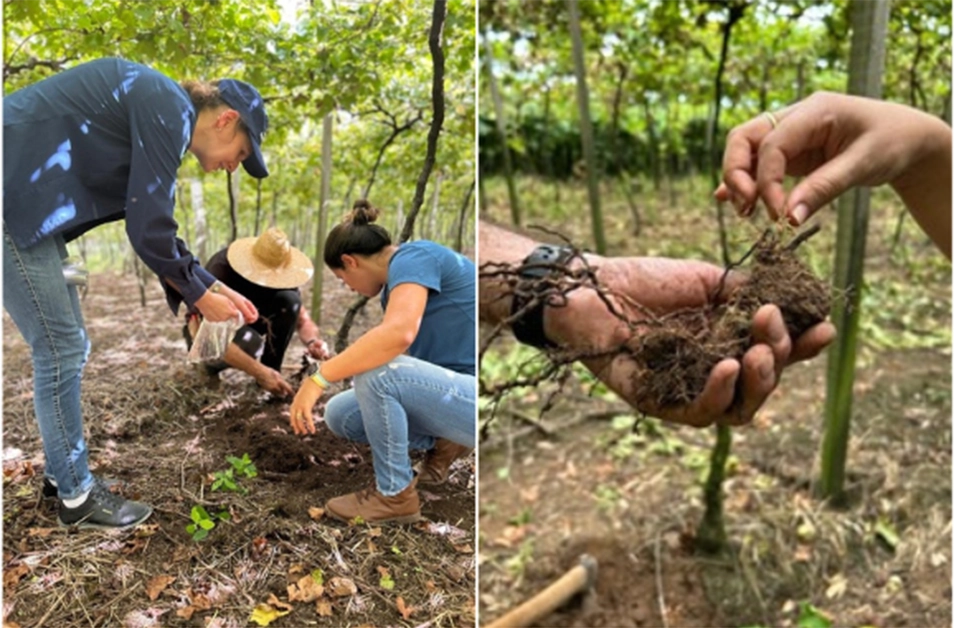 Sample collection for phytosanitary analysis
In today's agribusiness context, sustainability is not a choice, but a requirement. Phytosanitary diagnosis, especially in soils intended for long-term crops, is increasingly complex, strategic and indispensable. Faced with climate change, a decline in the specificity of pests and the emergence of new pathosystems, knowing the biological reality of the soil is the first step towards assertive and sustainable management.
Experiences such as the phytosanitary monitoring of vineyards in the Serra Gaúcha, conducted by the Agronomy Laboratory, demonstrate the fundamental role of applied science in adapting agriculture to new challenges, promoting not only productivity but also the resilience of Brazilian agricultural systems.
About Cotecna
For over 50 years, we have been supporting agriculture, food and pharma, minerals and metals, and consumer products supply chains all over the world. We provide testing, inspection, and certification services to help our clients navigate evolving regulations, ensure product compliance, and support their sustainability journey.
Latest News

30.10.2026
Beyond Carbon Footprint: A Practical Guide to More Sustainable Businesses
Explore how GHG inventories, emissions verification, Life Cycle Assessment, energy management and ESG assurance support credible business sustainability.
30.10.2026
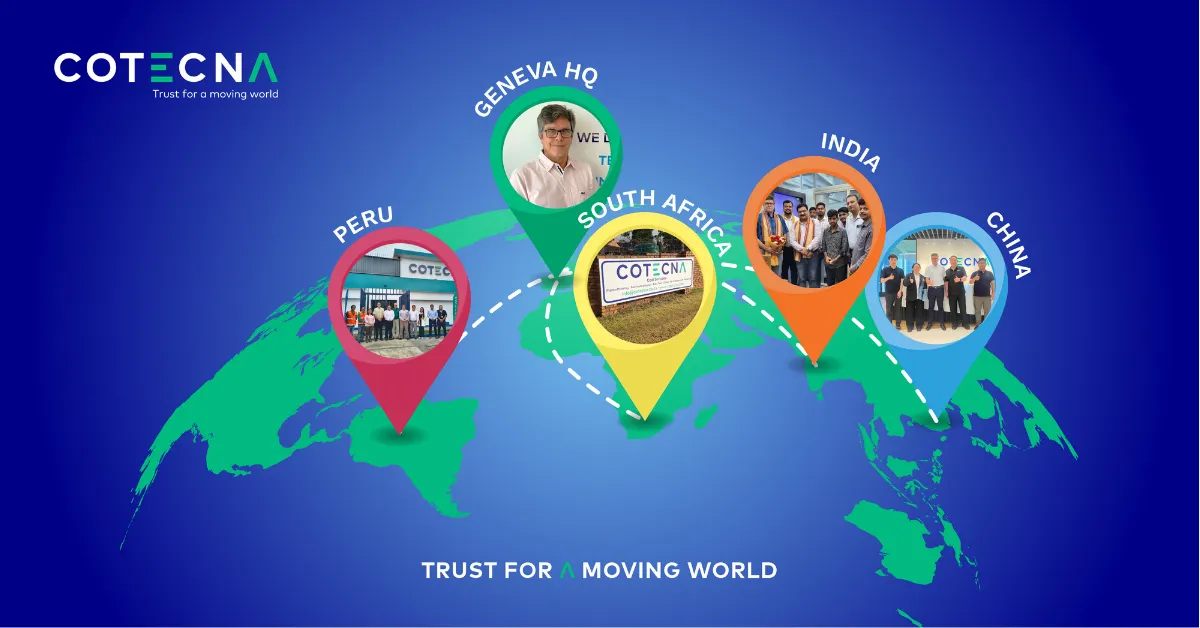
Strengthening Cotecna's Global Metals & Minerals Network Through Leadership Engagement
Mark Houchin's global visits highlight Cotecna's commitment to technical excellence and operational alignment, while focussing on strong customer partnerships worldwide.