



Soil and Plant Microbiomes Key to Building Crop Resilience and Soil Fertility
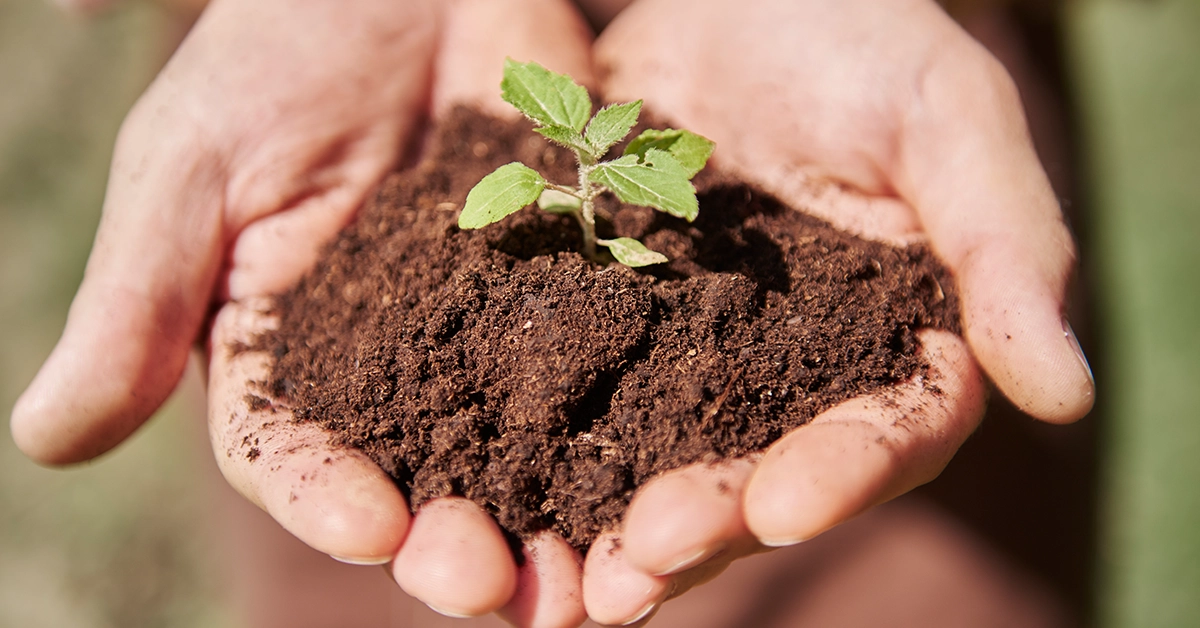
Emerging research continues to highlight the essential role of soil and plant microbiomes in supporting resilient agricultural systems. Microbial communities associated with plants contribute to soil fertility, crop productivity, and plant health, making them an important component of sustainable agriculture.
Soil and plant microbiomes consist of diverse microorganisms that inhabit the rhizosphere (the soil surrounding plant roots), the phyllosphere (plant surfaces), and the endosphere (internal plant tissues). These microbial communities interact closely with plants, helping to improve nutrient availability, promote growth, and protect crops against disease.
Several biological processes driven by beneficial microorganisms play a significant role in agricultural productivity. These include microbe-mediated immunity, mycorrhizal symbiosis, biological nitrogen fixation, and phosphate solubilization. Together, these natural processes enhance nutrient uptake, strengthen plant resilience, and can reduce reliance on synthetic fertilizers and pesticides.
Agricultural management practices have a direct influence on the health and diversity of soil microbiomes. Activities such as intensive tillage, monoculture, excessive pesticide use, and synthetic fertilization can alter microbial balance and ecosystem function. As a result, sustainable farming practices that protect soil biodiversity are increasingly recognized as essential for maintaining productive and resilient agricultural landscapes.
The chapter Role of Soil and Plant Microbiome in Sustainable Agriculture, featured in the recently published volume Microbiota Unveiled: Science, Health, and Future Therapies, reviews multiple case studies demonstrating how microbial inoculants can improve soil fertility and crop resilience. While the findings are promising, researchers note that additional studies are needed to better understand microbiome dynamics under diverse field conditions.
The publication also highlights ongoing challenges, including the need for greater standardization in both the performance of commercial microbial products and the regulatory frameworks governing their use.
Looking ahead, the researchers suggest that the future of sustainable agriculture will increasingly depend on integrating microbiome science with farmers' expertise, climate-smart agricultural practices, and emerging technologies such as artificial intelligence. Together, these innovations have the potential to support more resilient farming systems while improving soil health and long-term agricultural productivity.
Beyond agriculture, the publication serves as a multidisciplinary reference exploring the broader role of microbiota across fields including nutrition, food science, pharmaceuticals, and medicine, underscoring the importance of microbial ecosystems in supporting both environmental and human health.
See here volume and article: Microbiota Unveiled: Science, Health, and Future Therapies | Springer Nature Link
About Cotecna
For over 50 years, we have been supporting agriculture, food and pharma, minerals and metals, and consumer products supply chains all over the world. We provide testing, inspection, and certification services to help our clients navigate evolving regulations, ensure product compliance, and support their sustainability journey.
About Suolo e Salute
Established in Italy, Suolo e Salute is a leading laboratory dedicated to soil and environmental testing. With a strong focus on accuracy, sustainability, and scientific excellence, it supports agricultural, environmental, and regulatory clients with tailored analytical solutions. Committed to innovation and environmental stewardship, Suolo e Salute delivers trustworthy insights that drive responsible land management. Suolo e Salute brings global expertise and local impact together.
Latest News

30.10.2026
Beyond Carbon Footprint: A Practical Guide to More Sustainable Businesses
Explore how GHG inventories, emissions verification, Life Cycle Assessment, energy management and ESG assurance support credible business sustainability.

30.10.2026
Strengthening Cotecna's Global Metals & Minerals Network Through Leadership Engagement
Mark Houchin's global visits highlight Cotecna's commitment to technical excellence and operational alignment, while focussing on strong customer partnerships worldwide.