



Study Examines the Impact of an Organic Diet on Children's Pesticide Exposure
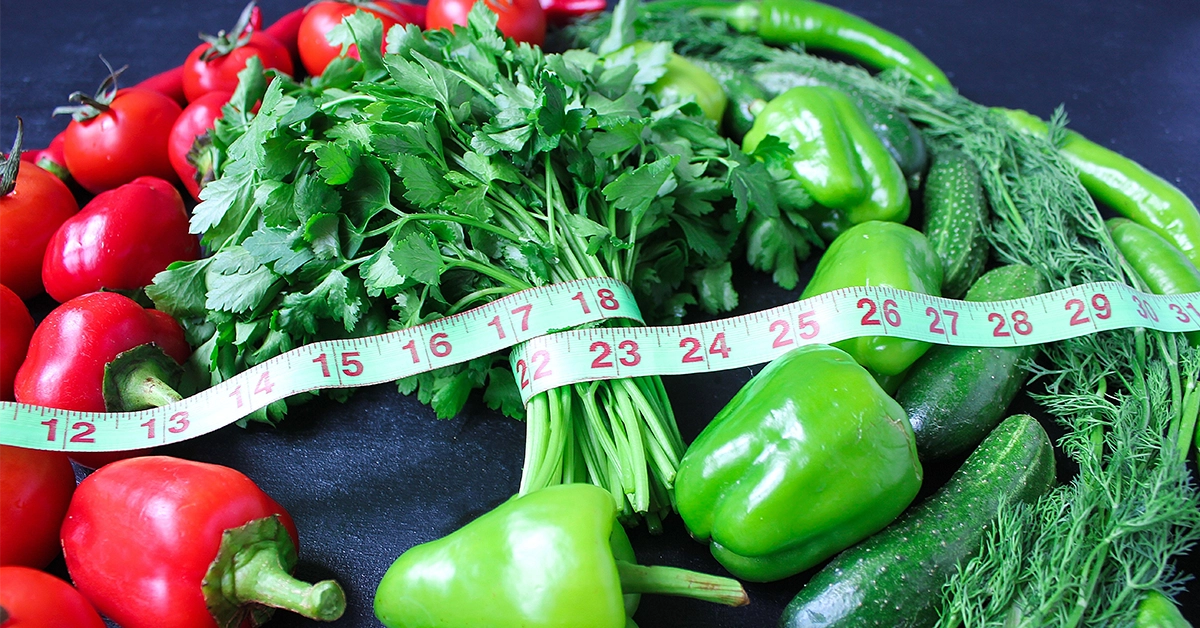
A study conducted in Cyprus as part of the LIFE+ Organiko project has explored how an organic diet may influence children's exposure to pesticides and related health indicators. The research found that replacing conventionally produced foods with organic alternatives over a 40-day period was associated with reduced pesticide exposure and lower levels of oxidative stress among participating children.
The study monitored pesticide biomarkers in children's urine before and after the dietary intervention. Researchers observed a significant decline in the presence of several pesticide biomarkers following the introduction of an organic diet.
Biomarkers associated with pyrethroid and neonicotinoid pesticides were detected less frequently after the dietary change. During the organic diet phase, pyrethroid biomarkers were below detectable levels in 77% of urine samples, compared with 66% during the conventional diet. Similarly, neonicotinoid biomarkers fell below detection limits in 32% of samples during the organic diet, compared with 15% under the conventional diet.
Beyond reduced pesticide exposure, the researchers also reported significantly lower levels of oxidative stress biomarkers, suggesting potential health benefits associated with the dietary intervention. While the study does not establish direct long-term health outcomes, the findings contribute to ongoing research into the relationship between diet, environmental exposure, and child health.
The project also evaluated the economic feasibility of introducing organic ingredients into school meal programs. According to the researchers, transitioning from conventional to organic school meals, combined with revised menu planning, proved to be a cost-effective approach. Based on these findings, the study's authors suggested that similar initiatives could be considered more broadly within school nutrition programs.
The research adds to the growing body of evidence examining how dietary choices can influence exposure to environmental contaminants and highlights the importance of continued investigation into sustainable food systems and public health.
About Cotecna
For over 50 years, we have been supporting agriculture, food and pharma, minerals and metals, and consumer products supply chains all over the world. We provide testing, inspection, and certification services to help our clients navigate evolving regulations, ensure product compliance, and support their sustainability journey.
About Suolo e Salute
Established in Italy, Suolo e Salute is a leading laboratory dedicated to soil and environmental testing. With a strong focus on accuracy, sustainability, and scientific excellence, it supports agricultural, environmental, and regulatory clients with tailored analytical solutions. Committed to innovation and environmental stewardship, Suolo e Salute delivers trustworthy insights that drive responsible land management. Suolo e Salute brings global expertise and local impact together.
Latest News

30.10.2026
Beyond Carbon Footprint: A Practical Guide to More Sustainable Businesses
Explore how GHG inventories, emissions verification, Life Cycle Assessment, energy management and ESG assurance support credible business sustainability.
30.10.2026
Strengthening Cotecna's Global Metals & Minerals Network Through Leadership Engagement
Mark Houchin's global visits highlight Cotecna's commitment to technical excellence and operational alignment, while focussing on strong customer partnerships worldwide.