



The Future of Customs Risk Management: How Machine Learning is Shaping the Landscape

The use of machine learning is transforming the landscape of customs risk management. In an era where international trade is rapidly increasing, customs risk management is becoming more complex and challenging. By analyzing large amounts of data, machine learning can provide new tools and capabilities to reduce compliance risks and improve operational efficiency. In this article, we will explore how machine learning is revolutionizing customs risk management, shaping a future where intelligent algorithms play a pivotal role in safeguarding global trade.
Predictive Modeling
Machine learning provides the ability to develop predictive models able to identify potential compliance risks before they occur. By analyzing data from a variety of sources, including customs declarations, commercial and shipping data, and trade agreements, machine learning algorithms can detect patterns and anomalies that could indicate risks.
Historical data analysis plays a crucial role in optimizing risk management strategies. By leveraging the wealth of historical data available, Customs authorities can make informed decisions, enhance trade facilitation, and effectively manage risks in the ever-evolving landscape of international trade.
Risk Assessment and fraud detection
Risk assessment and fraud detection are a critical area of focus for customs, particular in an era where global trade is expanding and supply chains are becoming more complex, creating new opportunities for fraudulent activities.
With the help of machine learning, Customs authorities have the capability to analyze large amounts of data on the fly, enabling the identification of key risk factors and the development of more intricate risk assessment models. For instance, machine learning algorithms can analyze historical data to identify patterns that indicate a high risk of non-compliance or mismatches in declared values or inconsistencies in shipping patterns.
By improving risk assessment, customs authorities can focus their resources on the highest-risk transactions, reducing the likelihood of security breaches and the risk of financial losses.
Automated Compliance Processes
By training algorithms to classify goods, calculate duties and taxes, or generate required documentation, machine learning can automate compliance processes. This can reduce the risk of misclassification, which can lead to penalties and fines.
Automated compliance processes ensures that customs resources are allocated efficiently, prioritizing areas where human expertise is most needed, it also saves time and resources for customs officials, allowing them to handle a larger volume of transactions effectively.
Data Analytics
Advanced data analytics using machine learning integrate large data to monitor performance over time and transform complex data into intuitive visualizations. These visual representations make it easier for customs officials to grasp the overall performance and trends at a glance. They can quickly identify areas of concern, spot anomalies, or compare performance against targets.
By consolidating these disparate data sets, Customs officials can also easily define key performance indicators (KPIs) based on their operational goals and objectives and have a comprehensive view of operations while accessing relevant information for analysis.
Machine learning creates a strong decision support tools which automatically identify new smuggling techniques, monitor trends in specific industries or regions, and adjust enforcement strategies accordingly enabling customs officials to identify areas for improvement, set targets, and measure progress.
Continuous Learning and Adaptability
AI systems have the ability to continuously learn and adapt to evolving risks and trade dynamics from experience. Through machine learning algorithms, these systems also improve their accuracy and performance over time. As customs risk management becomes more complex, AI's adaptability ensures that it remains effective in addressing emerging challenges and new forms of non-compliance.
By embracing continuous learning and adaptability, customs risk management systems can therefore stay ahead of evolving risks and regulatory changes. As new compliance challenges emerge, AI systems can update their models, rules, and algorithms to address these challenges effectively. This future-proofing ensures that customs officials can maintain a proactive and effective risk management approach.
Machine learning is revolutionizing customs risk management by providing new tools and capabilities for managing risk and ensuring compliance. Predictive modeling, risk assessment, data analytics, automated compliance processes, and fraud detection changed the way companies approach customs risk management. As these technologies continue to evolve, it's important for Customs to stay abreast of the latest trends and developments in machine learning to ensure that they are able to effectively manage risks in the increasingly complex and dynamic world of international trade.
For more than 20 years, Cotecna has been working closely with Customs to perfect its Automated Risk Management System – CRMS®, our mission is to provide the most advanced solution to help Customs to always stay one step ahead of illicit trade patterns.
For more information about CRMS® band our Customs solutions or to request a demo please contact us at governments@cotecna.com.
Latest News

30.10.2026
Beyond Carbon Footprint: A Practical Guide to More Sustainable Businesses
Explore how GHG inventories, emissions verification, Life Cycle Assessment, energy management and ESG assurance support credible business sustainability.
30.10.2026
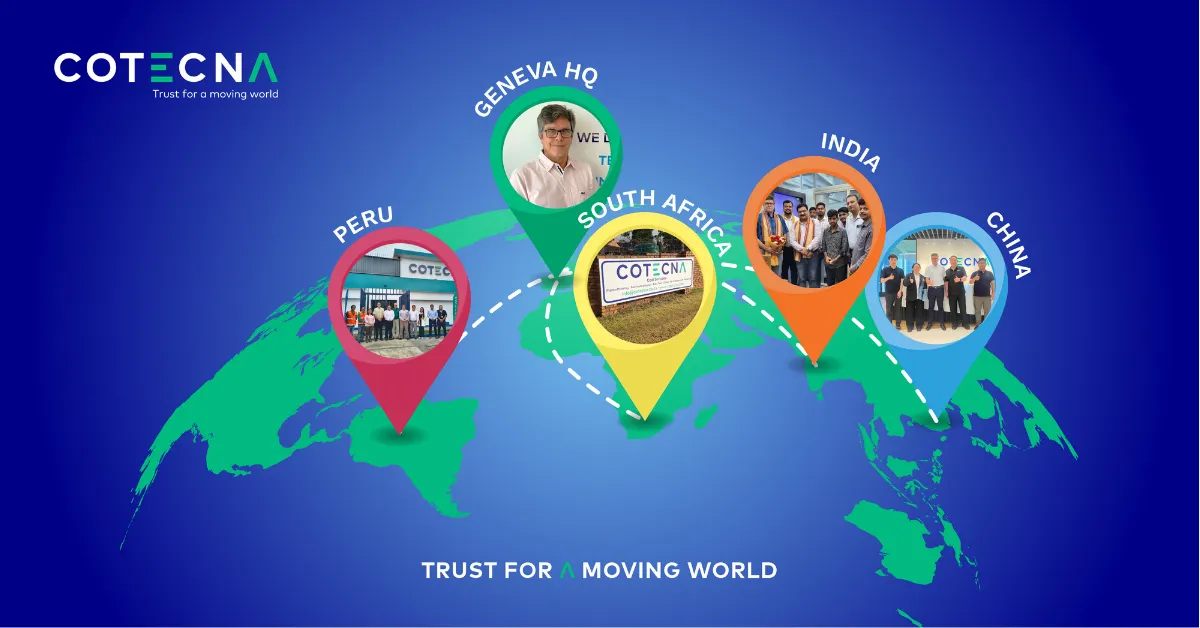
Strengthening Cotecna's Global Metals & Minerals Network Through Leadership Engagement
Mark Houchin's global visits highlight Cotecna's commitment to technical excellence and operational alignment, while focussing on strong customer partnerships worldwide.