



The Importance of Quality Control of Inoculant Products and Pest and Disease Control in Sustainable Agriculture
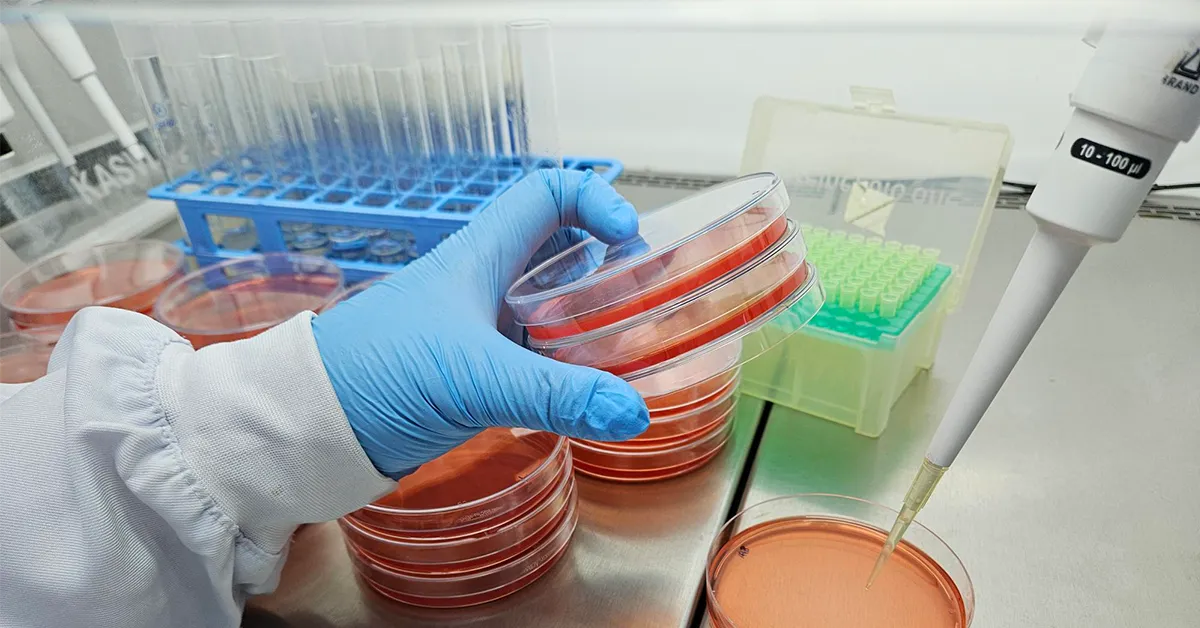
Sustainability in agriculture is a concept that aims to balance food production with the preservation of natural resources and ecosystem health. In this context, the use of inoculant products and pest and disease control products plays a fundamental role. These products not only ensure crop productivity but are also essential for implementing farming practices that respect the environment.
Brazil is a pioneer in the use of Nitrogen-fixing Bacteria (NFB). NFBs contribute to reducing the use of synthetic nitrogen fertilizers, which brings environmental benefits and increases crop productivity, benefiting the economy and minimizing negative impacts on the environment.
The use of biological inputs has been growing globally, resulting in more resilient agricultural ecosystems that are less vulnerable to environmental imbalances. Brazil stands out with over 20 million hectares treated, according to the Ministry of Agriculture and Livestock (MAPA), as reported by Canal Rural, 2025.
However, to ensure that the product achieves the expected results—such as increased crop productivity and/or effectiveness in pest control—as well as safe application, it is important that it meets identity, purity, and concentration parameters. These parameters must be verified through analyses that detect the active ingredient at adequate concentrations and within the tolerated levels of other organisms. For this, the product must follow the standards described in IN 30/2010 for inoculants or in the PORTARIA CONJUNTA SDA/MAPA - IBAMA - ANVISA No. 1, Dated April 10, 2023, for biological inputs.
Currently, numerous products with new organisms or new strains are emerging in the Brazilian market. The application of the active ingredient at the correct concentration ensures that the product works effectively; lower concentrations can lead to unsatisfactory results. It is important to check the contaminant limits of these products, as their presence can compromise plant health, food safety, and biodiversity through the introduction of pathogens.
Agronômica Laboratory conducts quality control tests and issues technical reports that support the registration of new products with regulatory agencies, a crucial step to ensure the compliance, efficacy, and safety of biological inputs in the agricultural market.
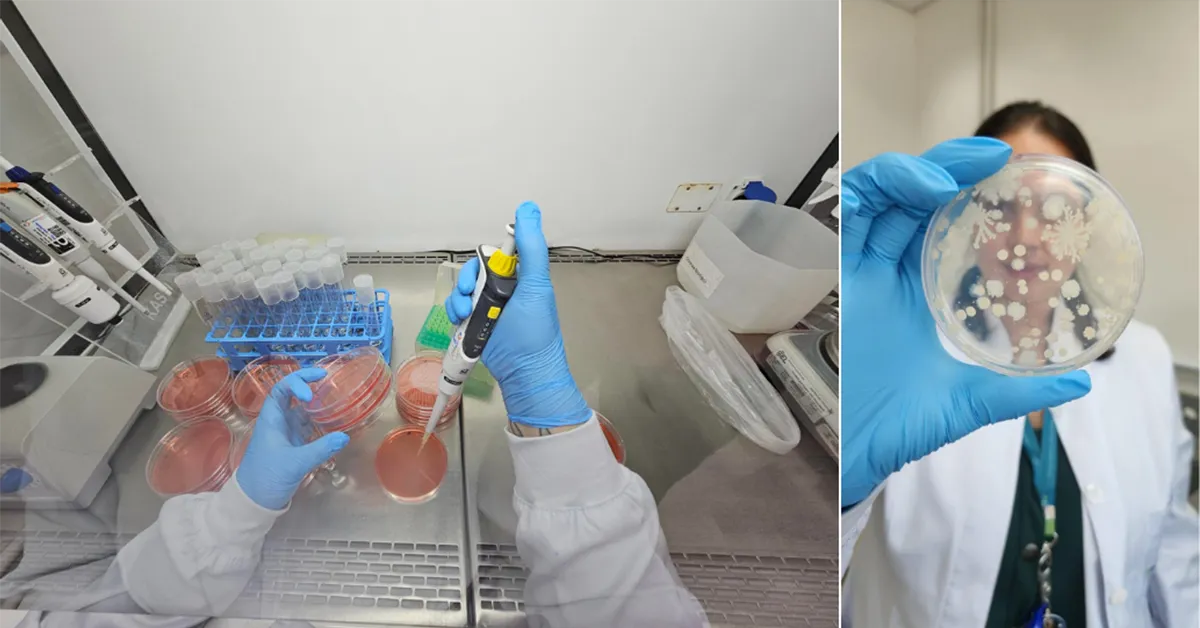
In 2024, Agronômica Laboratory evaluated the quality parameters of inoculants and biological inputs regarding the presence of the active ingredient (target organism), concentration, and contaminants. It found that 13.8% did not comply with the identity (active ingredient) specified on the label, 46.9% did not confirm the stated concentration, and 4.1% showed contaminants.
Biological inputs with contaminants may pose health risks, and these contaminants can compete with beneficial microorganisms, reducing the product's effectiveness.
Testing by ISO 17025-certified laboratories ensures the credibility of laboratory tests, providing greater safety for producers and consumers and enabling more effective use.
The use of bio-inputs in agriculture promotes sustainability by improving soil fertility and biodiversity, reducing reliance on chemical inputs, and decreasing pollution. In addition to stimulating biological activity and improving soil structure, these products help reduce greenhouse gas emissions and increase crop resilience to climate change. Thus, agricultural practices using inoculants and biological inputs support environmental conservation, soil health, and food security, making them an important strategy for promoting more sustainable and responsible agriculture.
About Cotecna
For over 50 years, we have been supporting agriculture, food and pharma, minerals and metals, and consumer products supply chains all over the world. We provide testing, inspection, and certification services to help our clients navigate evolving regulations, ensure product compliance, and support their sustainability journey.
Latest News

30.10.2026
Beyond Carbon Footprint: A Practical Guide to More Sustainable Businesses
Explore how GHG inventories, emissions verification, Life Cycle Assessment, energy management and ESG assurance support credible business sustainability.

30.10.2026
Strengthening Cotecna's Global Metals & Minerals Network Through Leadership Engagement
Mark Houchin's global visits highlight Cotecna's commitment to technical excellence and operational alignment, while focussing on strong customer partnerships worldwide.