



Why Helmet Testing is Crucial

Helmet safety testing is crucial because it ensures that helmets can effectively protect the brain against impact, penetration, and other hazards. Without accurate and proper testing, helmets may not provide important protection, putting consumers at risk of serious injury.
What Are the Main Safety Standards for Helmets?
Several safety standards govern helmet testing globally. These standards, such as DOT, ECE, CPSC, EN, and ASTM, outline requirements for impact resistance, penetration resistance, strap strength, field of vision, and more. These standards are essential for helmet manufacturers to guarantee their products' safety and quality within markets around the world.
Components of Helmet Safety Testing
a. Impact Testing
- How is impact testing conducted?
Impact testing assesses a helmet's ability to absorb and dissipate energy during a crash. It involves simulating impacts on various parts of the helmet and measuring parameters like peak acceleration, G-forces, and deceleration rates. - What parameters are measured?
The most common parameter measure is the maximum acceleration experienced during an impact, typically measured in units of gravity (g).
When an object experiences a sudden change in velocity, such as during a collision or impact, its acceleration increases. This increase in acceleration is often expressed in terms of g.
Peak g is an important measure in assessing the severity of impacts evaluating the effectiveness of protective gear and reducing the forces experienced by the human body. In the context of helmet testing, peak g-force is often used to evaluate how well a helmet absorbs and dissipates energy during an impact, with lower peak g-force indicating better protection for the wearer.
Helmet Injury Criterion (HIC) and dwell time values are also common forms to measure impact energy.
b. Penetration Testing
- Methods for assessing helmet resistance to penetration
- Importance of preventing objects from piercing the helmet
Penetration testing evaluates a helmet's resistance to sharp objects, preventing them from piercing the helmet and reaching the wearer's head. Testing methods include dropping pointed objects onto the helmet and assessing penetration depth and damage.
Helmet Materials and Construction
a. Materials Used in Helmets
Helmets are typically constructed from materials like polycarbonate, fiberglass, carbon fiber, and expanded polystyrene (EPS) foam. Each material offers specific properties related to strength, weight, and impact absorption.
b. How Helmet Construction Affects Safety
The design and construction of a helmet significantly impact its safety performance. Factors such as shell thickness, foam density, ventilation, and visor design influence how well a helmet protects against impacts and penetrations.
c. Innovations in Helmet Design for Safety
Advancements in helmet design include technology to help reduce rotational forces on the brain during an impact.
Testing Procedures
a. Laboratory Testing vs. Real-world Testing
Helmet testing involves both laboratory simulations and real-world scenarios to assess performance in controlled and dynamic environments. Crash data is often used to evaluate safety standards requirements and improve these standards.
b. Rigorous Testing Protocols
Testing protocols follow standardized procedures to ensure consistency and accuracy in evaluating helmets' safety attributes. Labs like ACT Lab try and simulate the worst possible situation to ensure the helmets being tested meet the highest level of protection as defined by the safety standard.
Common Challenges in Helmet Safety Testing
a. Ensuring Consistency in Testing
Maintaining consistent testing conditions and protocols is essential for reliable results across different helmet models and manufacturers. Ongoing inter-laboratory comparisons help to ensure accurate testing.
b. Addressing Helmet Comfort without Compromising Safety
Balancing safety with comfort is a challenge, as adding features for comfort or trying to make a helmet lighter in weight may impact a helmet's protective capabilities.
c. Evolving Standards and Technologies
As safety standards and technologies evolve, helmet manufacturers must stay updated to meet new requirements and incorporate innovative safety features.
Consumer Awareness
a. Educating Consumers on Helmet Safety
Promoting awareness about helmet safety, proper fitting, and maintenance is crucial for ensuring users understand how to maximize their helmets' protective benefits.
b. Common Misconceptions
Misconceptions and personal opinions about helmet testing are everywhere on the internet but in the end safety standards are developed as a minimum requirement for manufacturers to meet and going above and beyond is always a good idea.
c. The Role of Ratings and Reviews
Helmet ratings and user reviews provide valuable insights into product performance, guiding consumers in selecting helmets that meet their safety and comfort needs.
Future Trends in Helmet Safety
Emerging Testing Methods
Recent industry studies highlight that impacts that cause severe brain damage often involve strong rotations to the head (rotational acceleration). With these types of injuries trending, ECE 22.06 Standard has integrated a new Rotational Impact Test which will be soon to be adapted by EN and ASTM helmet standards. This standard evaluates how effectively helmets handle rotational forces by mimicking real-world scenarios and assessing the helmet’s ability to protect against rotational impacts. It focuses on the helmet's surface friction properties, which is important in reducing rotational acceleration and minimizing energy transfer to the wearer.
ACT Lab, part of the Cotecna Group, specializes in helmet testing and aims to ensure that client products exceed set standards and regulations.
Our expert testing services facilitate smooth market entry, setting you apart in a competitive industry.
The ACT helmet testing scope includes:
- DOT – Department of Transportation
- ASTM – American Society for Testing and Materials
- CPSC – Consumer Product Safety Commission
- ISO – International Organization for Standardization
- ANSI – American National Standards Institute
- SFI – SEMA Foundation Inc
To learn more about helmet testing or to request for a consultation, please contact us.
Latest News
07.03.2025
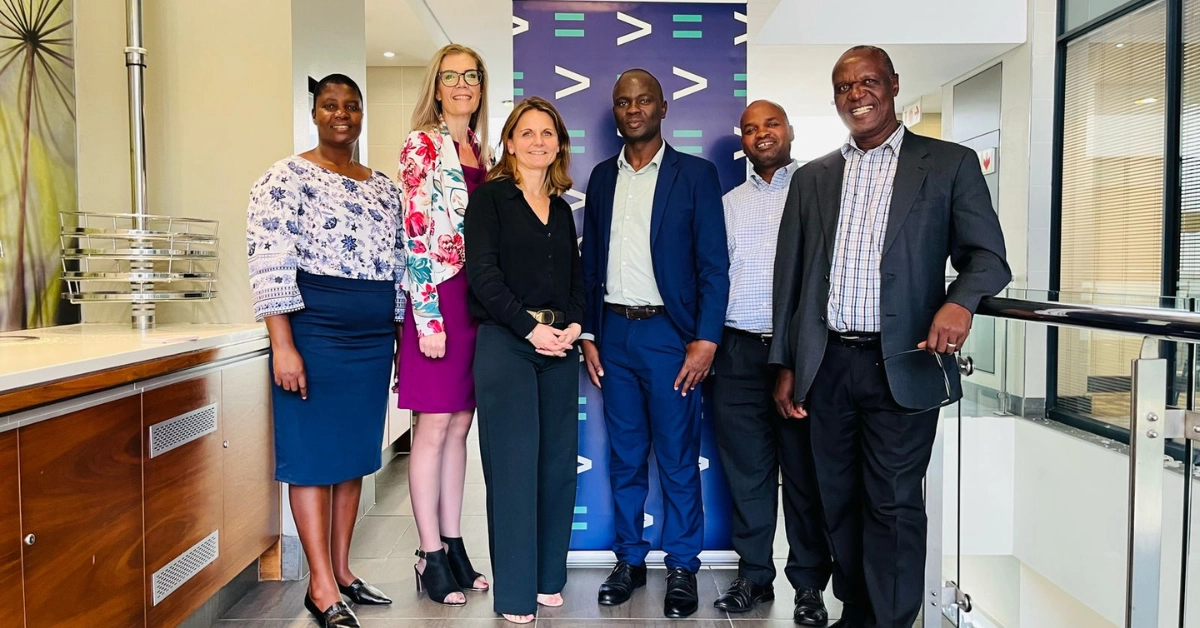
Cotecna South Africa welcomes Zimbabwe Delegation
Cotecna South Africa showcases innovation in Inspection, Certification and Digital Solutions

28.02.2025
First Management System Certificate Published with QR code
Cotecna now includes QR codes in certification documents for easy, secure verification and improved authenticity for clients and stakeholders.